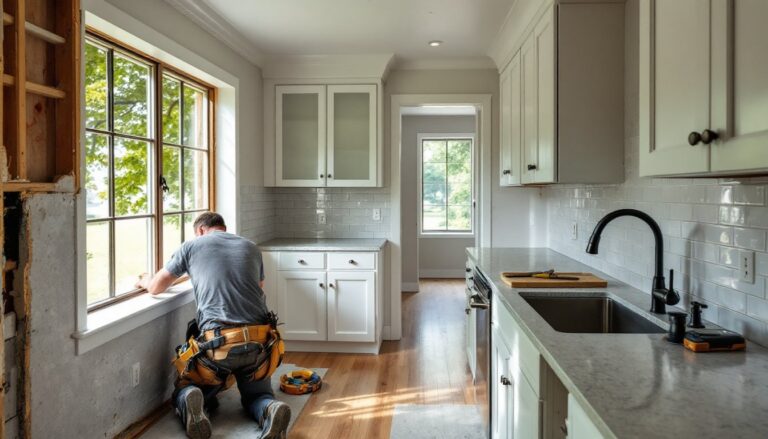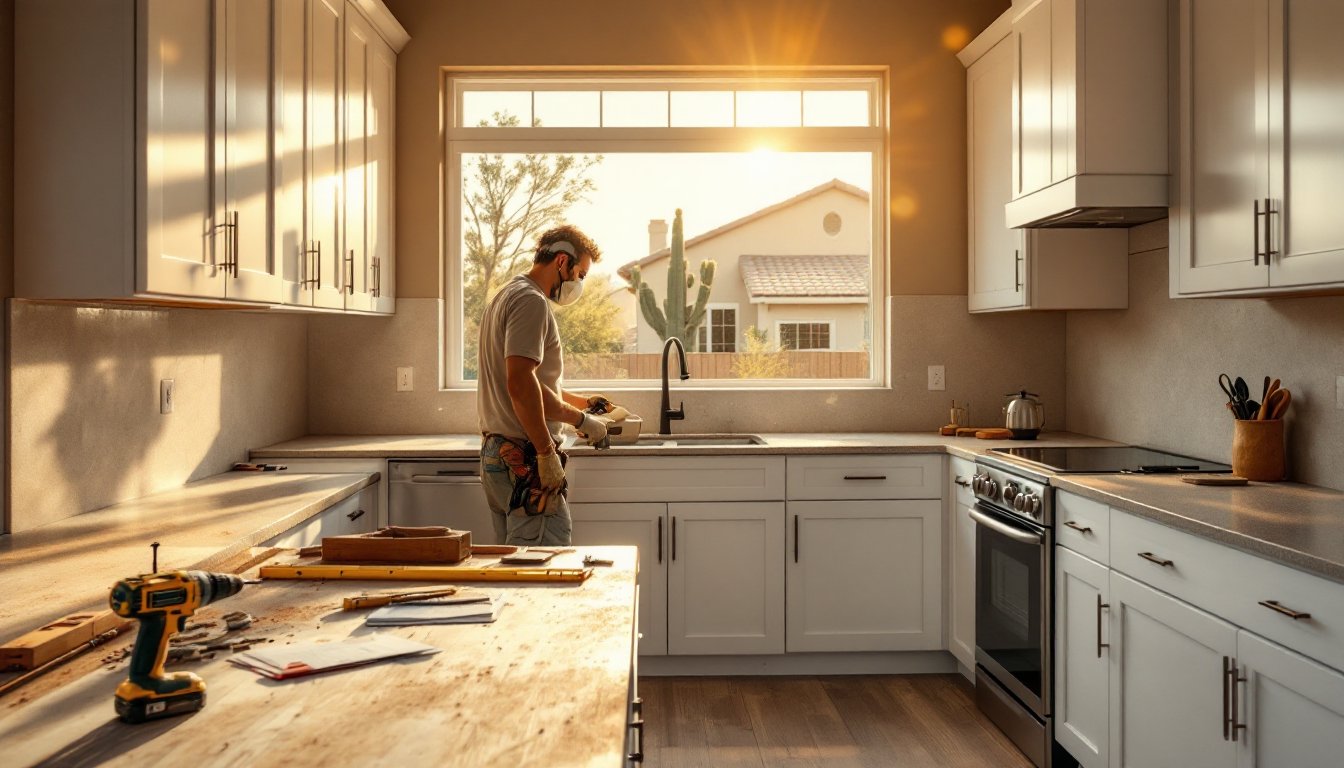
Mesa homeowners face unique challenges when remodeling, triple-digit summers, monsoon season moisture swings, and dust that finds its way into every crack. But the city’s booming housing market and rising property values make strategic home improvements worth the effort. Whether upgrading a dated kitchen, converting outdoor space into year-round living areas, or reinforcing structures against seasonal weather, Mesa remodels require material choices and design strategies tailored to Arizona’s high desert climate. This guide covers what’s driving renovation projects, which upgrades deliver the best return, and how to navigate local regulations without hitting costly surprises.
Table of Contents
ToggleKey Takeaways
- Home remodeling in Mesa is driven by rising property values, aging systems in 1980s–1990s homes, and energy efficiency upgrades that can cut HVAC costs by 20–30%, with many homeowners qualifying for federal tax credits through 2032.
- Desert-climate materials are essential for Mesa remodeling projects: quartz countertops outperform granite, luxury vinyl or porcelain tile resist monsoon humidity better than hardwood, and large-format tile with epoxy grout minimizes maintenance in bathrooms.
- Mid-range kitchen remodels in Mesa cost $25,000–$50,000, bathroom updates run $10,000–$20,000, and outdoor living projects range from $5,000 to $30,000+, with a 10–15% contingency recommended for older home upgrades.
- Mesa permits are required for structural, electrical, plumbing, and HVAC work, with review times of 10–15 business days and fees from $50 to $500+; hiring a licensed contractor familiar with local regulations streamlines the permitting process.
- Exterior paint, roofing, windows, and insulation must handle Arizona’s extreme heat and UV exposure—use 100% acrylic latex paint with UV inhibitors, low-E dual-pane windows with U-factors below 0.30, and R-38 to R-49 attic insulation to maximize durability and energy savings.
- Outdoor living spaces like covered patios and misting systems are popular in Mesa and often don’t require structural permits if under 200 square feet, making them a cost-effective way to extend usable square footage year-round.
Why Mesa Homeowners Are Investing in Remodeling Projects
Mesa’s population growth and median home values have climbed steadily since 2020, pushing owners to upgrade rather than buy up. Remodeling adds equity without the transaction costs of selling, and many homes built in the 1980s and 1990s need systems updates, HVAC, insulation, and electrical panels that can’t handle modern loads.
Energy efficiency is a major motivator. Older single-pane windows and minimal attic insulation drive cooling bills past $300/month in summer. Upgrading to dual-pane low-E glass and adding R-38 insulation can cut HVAC runtime by 20–30%. Some homeowners qualify for federal tax credits on energy-efficient windows and doors through 2032.
Outdoor living space is another priority. With mild winters and evenings that drop into the 70s most of the year, covered patios, outdoor kitchens, and misting systems extend usable square footage. These projects often don’t require structural permits if they’re non-enclosed and under 200 square feet, though electrical and plumbing work still needs inspection.
Finally, the remote work shift means home offices, soundproofed studios, and multipurpose rooms are in demand. Converting a spare bedroom or garage into functional workspace is simpler than adding square footage, and it avoids setback and lot coverage restrictions.
Most Popular Home Remodeling Projects in Mesa
Kitchen Remodels Built for Desert Living
Mesa kitchens take a beating from heat, hard water, and dust infiltration. Cabinet finishes fade near west-facing windows, and granite countertops can crack if adhesive fails during extreme temperature swings.
Cabinetry: Opt for thermofoil or powder-coated MDF over solid wood, which expands and contracts with humidity changes. Full-overlay frameless cabinets resist dust buildup better than face-frame styles. Soft-close hinges reduce wear from thermal expansion.
Countertops: Quartz outperforms granite in Arizona’s climate, it doesn’t require sealing, resists staining from hard water, and handles heat without cracking. Expect to pay $60–$90 per square foot installed for mid-grade quartz.
Flooring: Skip hardwood. Luxury vinyl plank (LVP) or porcelain tile won’t buckle when monsoon humidity spikes. LVP costs $4–$7 per square foot installed and handles temperature extremes without gapping. Porcelain tile runs $8–$12 installed and stays cool underfoot.
Lighting: Under-cabinet LED strips reduce heat output compared to halogen pucks. Recessed cans should be IC-rated (insulation contact) to prevent attic heat transfer. Many remodeling professionals recommend dimmable LEDs to reduce glare during bright afternoons.
Ventilation: A range hood vented to the exterior is essential. Recirculating hoods can’t handle the heat and moisture from cooking in a climate where indoor temps already run high. Aim for 400+ CFM for gas ranges.
Bathroom Renovations That Beat the Heat
Bathrooms in Mesa need moisture management and materials that won’t deteriorate under constant AC cycling. Grout cracks, caulk shrinks, and drywall around tubs can mold if ventilation is poor.
Tile Work: Use large-format porcelain tile (12×24 or bigger) to minimize grout lines, which reduce cleaning and crack potential. Epoxy grout costs more upfront ($8–$12 per pound) but won’t stain or crack like cement-based grout.
Shower Systems: Prefab acrylic or fiberglass units resist cracking better than tile over drywall or cement board. If going custom, use a waterproof membrane like Schluter Kerdi or RedGard under tile, not just green board.
Ventilation: Install a bathroom fan rated for at least 50 CFM for a standard 5×8 bath. Fans should vent to the exterior, not into the attic. Humidity-sensing models turn on automatically when moisture levels spike, preventing mold in grout and drywall.
Fixtures: Low-flow showerheads (1.5–2.0 GPM) and dual-flush toilets reduce water bills without sacrificing performance. Mesa water rates run about $3.50 per 1,000 gallons, so high-efficiency fixtures pay back within a few years.
Budgeting for Your Mesa Home Remodel
Remodeling costs in Mesa track slightly below Phoenix metro averages but vary by material grade, labor availability, and project scope. As of early 2026, mid-range kitchen remodels run $25,000–$50,000, while bathroom updates cost $10,000–$20,000. Outdoor living projects range from $5,000 for a basic covered patio to $30,000+ for a full outdoor kitchen with plumbing and gas lines.
Labor costs: Licensed contractors charge $50–$75 per hour for general carpentry, $75–$100 for electrical, and $80–$120 for plumbing. Specialized trades like tile setters or HVAC techs command higher rates during peak summer months when demand spikes.
Material markups: Expect 15–25% contractor markup on materials. Buying your own tile, fixtures, or appliances can save money, but contractors may not warranty materials they didn’t source. If you supply materials, confirm they meet code and the contractor approves the specs before purchasing.
Contingency: Set aside 10–15% of your budget for unknowns, rotted framing, outdated wiring, or plumbing that doesn’t meet current code. Homes built before 2000 often need panel upgrades to handle modern electrical loads, adding $1,500–$3,000.
Financing: Home equity loans and HELOCs are common for projects over $15,000. Rates in 2026 hover around 7–9%, depending on credit. Some homeowners use contractor matching services to compare bids and identify financing options bundled with project estimates.
Navigating Mesa Permits and Regulations
Mesa requires permits for most structural, electrical, plumbing, and HVAC work. Skipping permits risks fines, failed inspections during resale, and voided homeowner’s insurance claims.
What requires a permit:
- Structural changes: Removing walls, adding rooms, altering roof framing
- Electrical: New circuits, panel upgrades, outlets, or fixtures (replacing a fixture on an existing box usually doesn’t)
- Plumbing: Rerouting supply lines, adding fixtures, water heater replacements
- HVAC: New units, ductwork modifications, gas line work
- Roofing: Full re-roofs and major repairs
What typically doesn’t:
- Cosmetic updates: Painting, flooring, cabinet refacing
- Minor repairs: Replacing a faucet, patching drywall, swapping light fixtures on existing boxes
- Small decks/patios: Uncovered, non-structural, under 200 square feet and less than 30 inches above grade
Permit process: Submit plans to Mesa’s Development Services Department. Plan review takes 10–15 business days for minor projects, longer for structural work. Fees range from $50 for simple electrical permits to $500+ for additions or major remodels. Inspections occur at rough-in (framing, electrical, plumbing exposed) and final (all work complete).
HOA considerations: Many Mesa neighborhoods have design review committees. Submit plans for exterior changes, paint colors, roofing materials, patio covers, before pulling permits. Approval can take 30–60 days.
Hiring licensed contractors familiar with Mesa remodeling regulations simplifies permitting. They pull permits, schedule inspections, and know which inspectors to expect.
Choosing the Right Materials for Arizona’s Climate
Arizona’s extreme heat, UV exposure, and rapid temperature swings destroy materials that perform fine in moderate climates. Selecting climate-appropriate products prevents callbacks, warping, and premature failure.
Exterior paint: Use 100% acrylic latex with UV inhibitors and a Light Reflective Value (LRV) of 50 or higher. Dark colors absorb heat and cause paint to blister and fade within two years. Primer is non-negotiable on bare stucco or wood, skip it and paint won’t bond. Expect to repaint exteriors every 7–10 years in Mesa.
Roofing: Concrete or clay tile lasts 40–50 years and reflects heat better than asphalt shingles, which deteriorate in 15–20 years under UV bombardment. Tile costs $8–$12 per square foot installed vs. $3–$5 for asphalt, but the lifespan justifies the premium. Cool-roof coatings (white or reflective) can extend shingle life and reduce attic temps by 20–30°F.
Windows and doors: Low-E dual-pane windows with argon or krypton fill reduce heat gain by 30–50% compared to single-pane. Look for a U-factor below 0.30 and Solar Heat Gain Coefficient (SHGC) under 0.27 for west- and south-facing glass. Fiberglass or vinyl frames resist warping better than wood or aluminum.
Decking: Composite decking (Trex, TimberTech) won’t splinter, crack, or fade like wood. It costs $8–$12 per square foot installed vs. $4–$6 for pressure-treated lumber, but requires zero staining or sealing. Avoid dark composite colors, they absorb heat and become too hot to walk on barefoot.
Insulation: Attics should have R-38 to R-49 (14–18 inches of blown fiberglass or cellulose). Spray foam in rim joists and around ductwork prevents air leaks. Radiant barriers installed under roof decking reflect heat before it reaches insulation, cutting cooling costs by 5–10%.
Concrete and stucco: Use Type II or Type V Portland cement for stucco and exterior concrete, it resists sulfate in desert soils. Expansion joints every 10–12 feet prevent cracking from thermal movement. Acrylic or elastomeric stucco finishes flex with temperature changes better than traditional sand finishes.
Safety note: Always wear a dust mask rated N95 or better when cutting fiber cement, tile, or drywall. Desert dust and silica dust from masonry materials cause respiratory issues with repeated exposure. Gloves and safety glasses are mandatory for any material handling or power tool use.