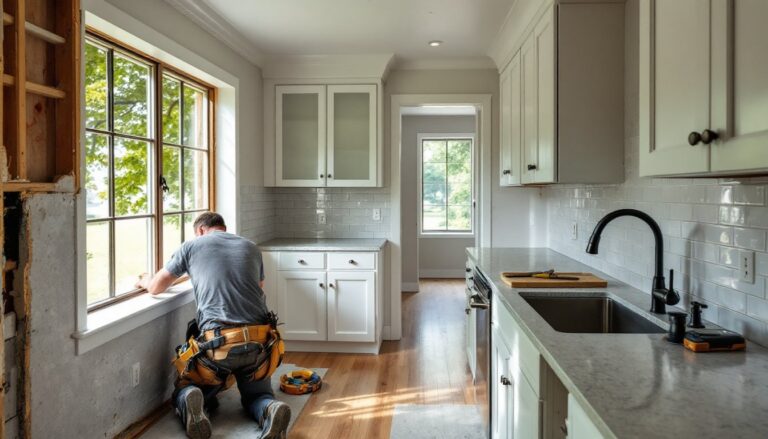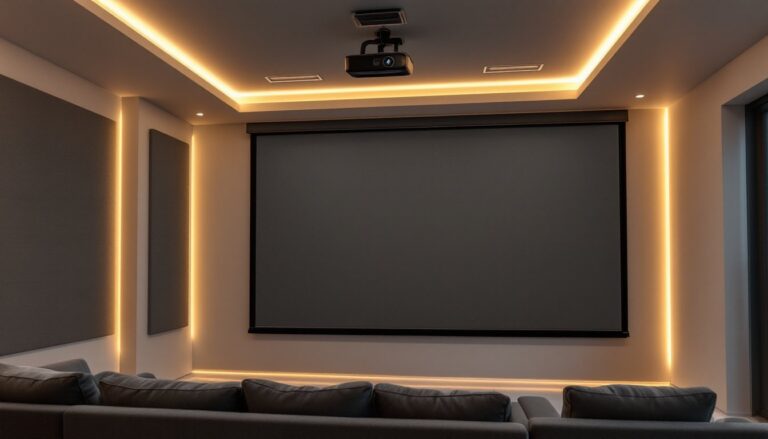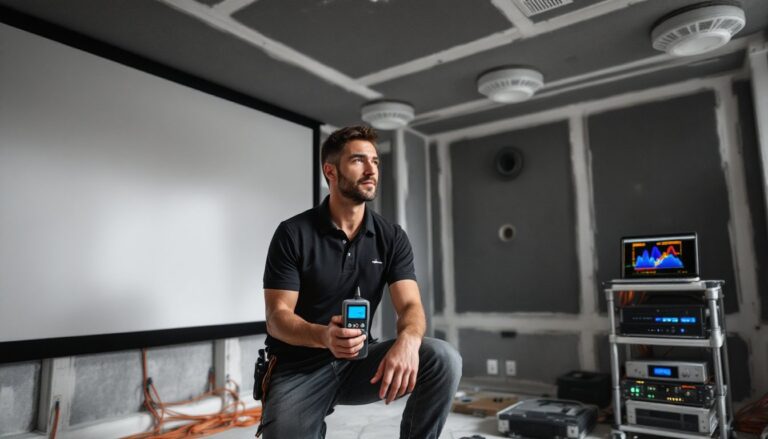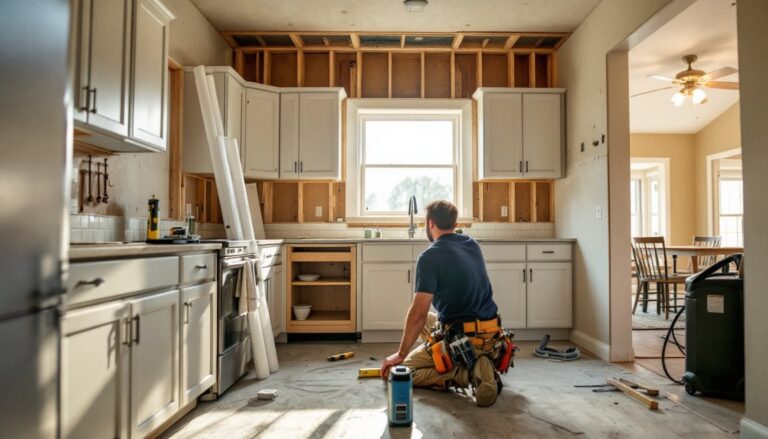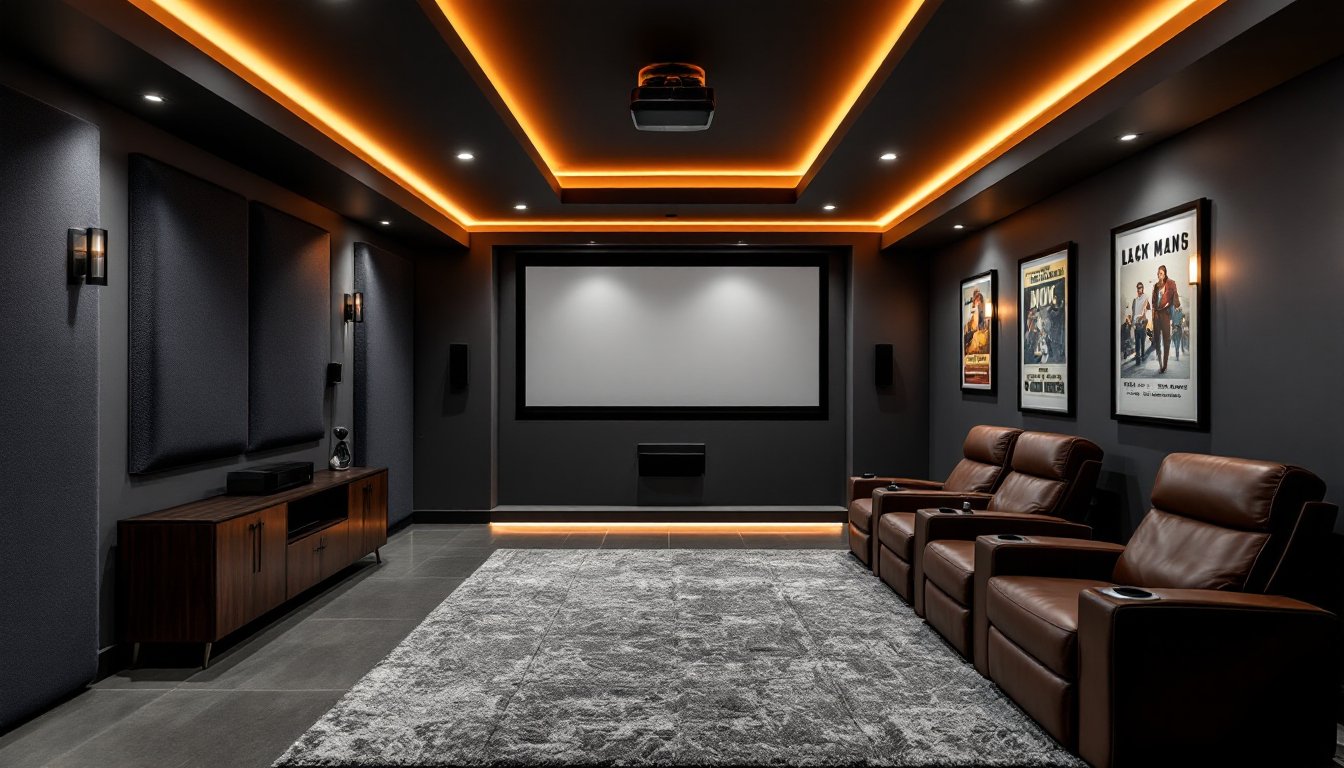
Atlanta homeowners are transforming spare bedrooms, basements, and bonus rooms into dedicated home theaters at an unprecedented rate. With the region’s growth in tech-savvy professionals and the rising cost of frequent movie outings, a well-planned home theater delivers both entertainment value and ROI. Whether working with a 10×12 bedroom or a finished basement, building a home theater involves more than mounting a big screen and calling it done. From acoustic treatments to equipment selection, this guide walks through the practical considerations specific to Atlanta’s climate, housing stock, and local market.
Table of Contents
ToggleKey Takeaways
- Atlanta homeowners are investing in home theaters for entertainment value and resale appeal, with ROI justified within a year for families saving on movie outings and avoiding traffic.
- A functional home theater in Atlanta requires at least 10×12 feet of space with 8-foot minimum ceiling height, proper screen distance based on TV size, and dedicated electrical circuits installed by licensed electricians to meet Georgia building codes.
- Display choice between 4K projectors ($1,500-4,000) and large-format OLED TVs ($1,800-3,500) depends on room lighting and darkness control, while audio systems should include 7.1 receivers, surround speakers, and Dolby Atmos configurations for optimal sound.
- Acoustic treatment in wood-frame Atlanta homes requires mass-loaded vinyl, resilient channels, acoustic panels at first reflection points, and humidity control in basements to prevent mold and ensure clear dialogue.
- Budget ranges from $2,500-5,000 for entry-level setups to $20,000-50,000+ for high-end home theater systems, with professional AV installation costing $1,500-5,000+ but offering calibration and complex automation expertise.
- Design your home theater to match Atlanta’s popular architectural styles—traditional dark aesthetics for Virginia-Highland homes, sleek modern designs for Midtown condos, and cozy intimate setups for ranch basement conversions.
Why Atlanta Homeowners Are Investing in Home Theaters
Atlanta’s housing market continues to feature homes with flexible floor plans, finished basements, bonus rooms above garages, and converted bedrooms, ideal for home theater conversions. The metro area’s humid subtropical climate means residents spend considerable time indoors during sweltering summers and unpredictable spring storms, making a dedicated entertainment space a practical year-round investment.
The cost factor drives many decisions. A family of four spending $60-80 on a single theater outing can justify home theater equipment within a year of regular use. Add in the convenience of avoiding I-285 traffic and downtown parking, and the appeal becomes clear.
Atlanta’s tech industry presence also plays a role. Homeowners in neighborhoods like Alpharetta, Sandy Springs, and Midtown lean toward smart home integration, treating the theater as part of a broader automation ecosystem rather than a standalone room. Resale value matters too, homes with finished entertainment spaces typically see stronger interest in competitive markets, though buyers expect quality execution, not halfhearted installations.
Planning Your Home Theater Layout and Space Requirements
Start with minimum dimensions: a functional home theater needs at least 10×12 feet, but 12×16 or larger works better for tiered seating or multiple rows. Ceiling height matters, 8 feet minimum, with 9-10 feet preferred if installing a drop ceiling for acoustic panels or recessed speakers.
Measure screen distance carefully. For a 100-inch diagonal screen, viewers should sit 8-12 feet away (depending on resolution, 4K allows closer seating than 1080p). For a 120-inch screen, plan for 10-15 feet. Atlanta’s older ranch homes and split-levels often have basement support columns or HVAC ducts: map these obstacles before finalizing the layout.
Seating arrangement depends on room shape. A rectangular room works best with two rows: front row 1.5× screen height away, second row at 2.5×. If working with a square room, a single curved row prevents extreme viewing angles. Leave 3 feet of clearance behind the last row for walking space, fire code and common sense both demand it.
Electrical planning comes next. Budget for at least two dedicated 20-amp circuits: one for video equipment (projector, receiver, streaming devices), one for amplification. If adding a mini-fridge or popcorn machine, plan a third circuit. Georgia follows the National Electrical Code (NEC), and any new circuits require a permit in most Atlanta-area jurisdictions. Hire a licensed electrician for this work, DIY electrical in finished spaces risks failed inspections and insurance headaches.
Essential Equipment and Technology for Your Atlanta Home Theater
Display choice splits between projectors and large-format TVs. A 4K laser projector ($1,500-4,000) paired with a motorized screen ($300-1,200) delivers the theater experience but requires a fully darkened room. For spaces with ambient light, like bonus rooms with windows, a 75-85 inch OLED or QLED TV ($1,800-3,500) performs better and needs less installation labor.
Audio system components include an AV receiver (7.1 or better, $500-1,500), speakers (front left/right, center, surrounds, and subwoofer), and source devices. For a 5.1.2 Dolby Atmos setup, add two ceiling-mounted or upward-firing speakers. In-wall and in-ceiling speakers save floor space but require cutting drywall and fishing wire, doable for experienced DIYers, but messy.
Running speaker wire before drywall goes up is easiest, but most Atlanta homeowners work with finished rooms. Use 16-gauge wire for runs under 50 feet, 14-gauge for longer distances. Conduit or wire raceways painted to match walls hide surface runs. Atlanta’s building codes don’t typically regulate low-voltage wiring, but installers must follow NEC Article 725 for Class 2 circuits.
Streaming and control infrastructure matters as much as the gear. Hardwired Ethernet beats Wi-Fi for 4K streaming reliability, run Cat6 cable to the equipment rack and any smart TV. A universal remote or smart home hub (Logitech Harmony, Control4, or Savant) consolidates control, but expect a learning curve and occasional firmware headaches.
Acoustic Treatments and Soundproofing Considerations
Atlanta’s typical wood-frame construction transmits sound readily. If the theater sits above or adjacent to bedrooms, soundproofing becomes critical. Start with the basics: add mass-loaded vinyl (MLV) to walls and ceiling, use resilient channel or isolation clips to decouple drywall from studs, and seal all gaps with acoustic caulk. A second layer of 5/8-inch drywall on walls and ceiling helps significantly.
Acoustic treatment differs from soundproofing, it controls sound within the room rather than preventing leakage. Hard surfaces (drywall, hardwood floors, glass) create echoes and muddy dialogue. Address this with acoustic panels (2-4 inches thick, mounted at first reflection points on side walls), bass traps in corners, and heavy curtains or fabric wall coverings. An area rug over hardwood or tile floors reduces high-frequency reflections.
Atlanta’s humidity (average 60-70% year-round) affects fabric panels and upholstered seating. Run a dehumidifier if the theater is in a basement, especially in older homes without vapor barriers. Mold on acoustic fabric ruins both performance and air quality.
DIY vs. Professional Installation: What Atlanta Homeowners Should Know
Most homeowners can handle equipment setup, mounting a TV, placing speakers, running HDMI cables, if they’re comfortable with basic tools and following online guides. Where DIY typically stops: electrical work, in-wall wiring in finished rooms, complex automation programming, and anything structural.
Electrical and low-voltage wiring often requires permits in Atlanta metro jurisdictions (check with your county or city building department). Fulton, DeKalb, and Cobb counties all enforce permit requirements for new circuits. Hiring a licensed electrician costs $75-125/hour but ensures code compliance and avoids inspection failures.
Professional AV installers charge $1,500-5,000+ for a full theater setup, depending on complexity. They handle speaker placement, calibration (using tools like an SPL meter and room correction software), wire management, and system programming. For a basic 5.1 system with surface-mounted speakers, experienced DIYers can skip the installer. For in-wall speakers, Atmos configurations, or whole-home integration, professionals save time and frustration.
Budget-conscious homeowners sometimes split the difference: hire an electrician for circuits and in-wall wiring, then handle equipment installation and calibration themselves. Many professional installers offer consultation-only services ($200-500) where they design the layout, specify equipment, and provide a wiring plan the homeowner can execute.
Budget Breakdown: Home Theater Costs in the Atlanta Market
Entry-level setup ($2,500-5,000):
- 65-75 inch 4K TV: $700-1,200
- 5.1 soundbar system or budget receiver + speakers: $500-1,000
- Streaming devices (Apple TV, Roku, etc.): $100-200
- Seating (2-3 recliners): $800-1,500
- Basic acoustic panels and installation materials: $400-1,100
Mid-range setup ($8,000-15,000):
- 77-inch OLED TV or entry 4K projector + screen: $2,000-4,000
- 7.1 or 5.1.2 receiver and speaker package: $1,500-3,000
- Theater seating (4 seats, motorized recline): $2,000-4,000
- Acoustic treatment and light soundproofing: $1,000-2,000
- Professional calibration or partial installation: $500-2,000
High-end setup ($20,000-50,000+):
- 4K laser projector + premium motorized screen: $5,000-12,000
- Premium 9.2 or Atmos receiver and separates: $3,000-8,000
- Custom in-wall/in-ceiling speakers: $4,000-10,000
- Theater seating (6-8 seats, premium leather): $6,000-15,000
- Full soundproofing and acoustic treatment: $3,000-8,000
- Professional design and installation: $3,000-10,000
Atlanta material costs run close to national averages. Labor rates vary: expect $85-150/hour for general contractors, $75-125 for electricians, and $100-200 for specialized AV installers. Prices in Buckhead and Dunwoody trend higher than outlying suburbs.
Don’t forget hidden costs: HVAC adjustments if the theater runs warm (amplifiers generate heat), dedicated internet or network upgrades for streaming, and ongoing subscription costs for streaming services. Budget 5-10% of total project cost for unexpected issues, older homes always reveal surprises during renovation.
Design Ideas That Match Atlanta’s Popular Home Styles
Traditional and craftsman homes (common in Virginia-Highland, Decatur, and Grant Park) suit classic theater aesthetics: dark paint colors (charcoal, navy, deep burgundy), wood trim, and vintage movie poster art. Crown molding and coffered ceilings fit the architectural vocabulary. Use fabric-wrapped acoustic panels that blend with the traditional look rather than industrial foam.
Modern and contemporary homes (Midtown condos, newer Alpharetta builds) call for sleek lines: floating shelves, hidden speakers, minimalist seating, and neutral palettes (grays, blacks, whites). Starlight ceiling panels (fiber optic or LED) add drama without clashing with clean design. In-wall equipment racks keep technology invisible.
Ranch and split-level basements (abundant in Marietta, Smyrna, and East Cobb) often feature low ceilings and small windows. Embrace the cozy scale, go with darker colors to make the ceiling “disappear,” use sconce lighting instead of recessed cans, and skip the massive screen for a more intimate setup. Address moisture concerns with proper foundation drainage and interior vapor barriers before finishing the space.
Atlanta’s historic bungalows often lack basement space entirely, pushing theaters into converted bedrooms or bonus rooms. Here, dual-purpose design works best: motorized screens that retract to reveal art, speakers that double as décor, and seating that doesn’t scream “theater” when guests visit. Many local contractors specialize in small-space conversions and can suggest layouts that maintain flexibility.
Color and lighting strategy applies across styles. Dark walls and ceilings (SW Iron Ore, BM Onyx) reduce reflections and improve contrast. Install dimmable LED fixtures on separate circuits: general lighting for setup and cleaning, low-level pathway lights for during movies. Avoid recessed lights directly above the screen, they create glare. Smart switches (Lutron, Leviton) integrate with home automation for one-touch “movie mode” scenes.
For homeowners researching equipment and installation best practices, resources like Tom’s Guide offer detailed product reviews and setup tutorials that complement hands-on work. Atlanta’s DIY community also benefits from local AV specialty shops (not big-box stores) where staff can answer technical questions about specific room challenges and equipment compatibility.