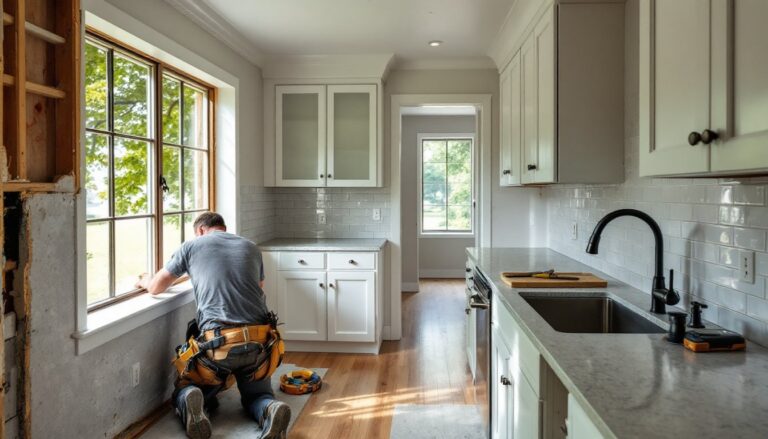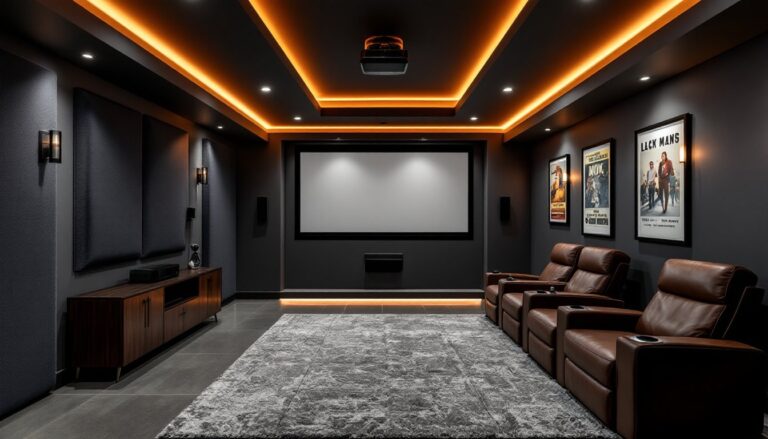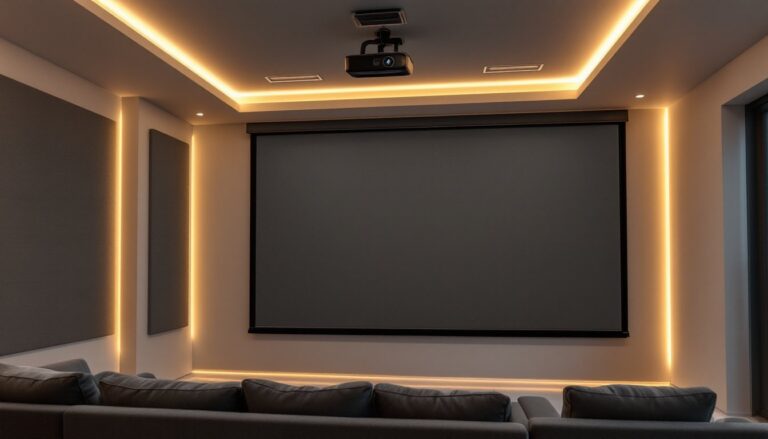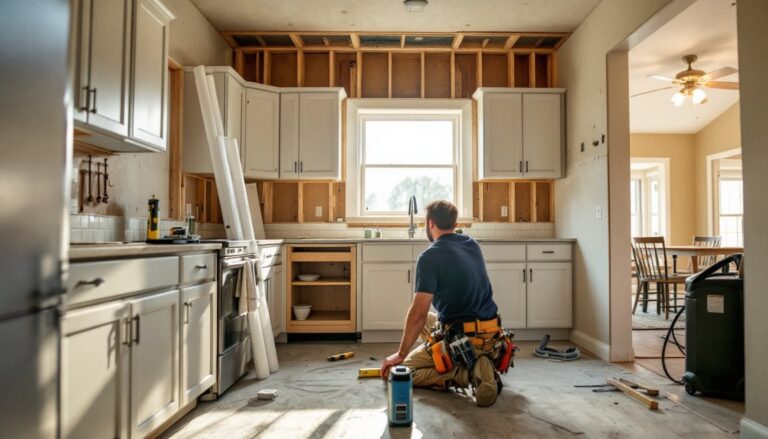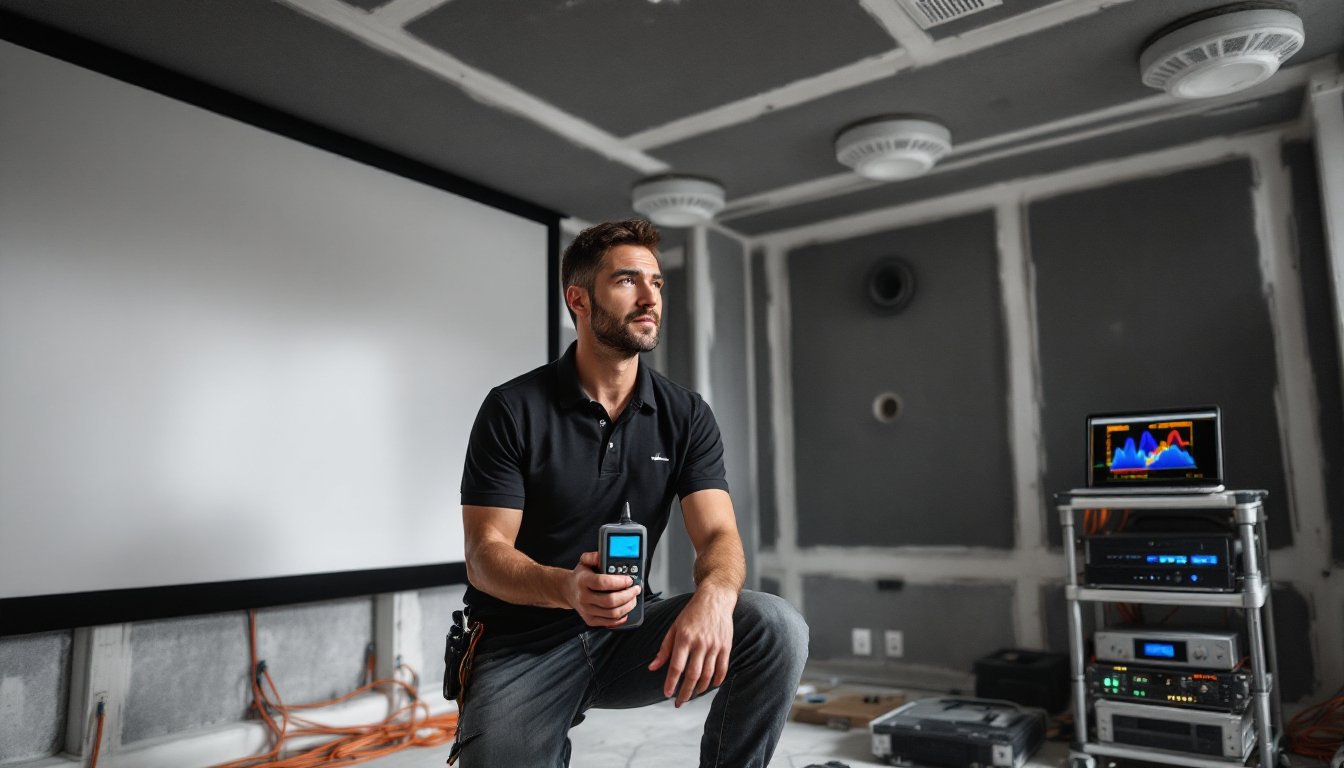
Installing a high-performance home theater isn’t like hanging a TV on the wall. Between acoustic treatments, 7.2.4 Dolby Atmos configurations, network-based distribution, and code-compliant electrical work, there’s a lot that can go sideways. That’s where home theater experts come in, professionals who bridge the gap between consumer electronics and residential construction. They handle everything from AV receiver calibration to in-wall speaker rough-ins, saving homeowners from trial-and-error headaches and expensive gear mismatches. But how do you find one who’s qualified, what should you expect to pay, and when does it make sense to hire out versus DIY?
Table of Contents
ToggleKey Takeaways
- Home theater experts handle system design, equipment sourcing, installation, calibration, and smart home integration—services that go far beyond basic TV mounting and HDMI connections.
- Hire a home theater expert when projects involve in-wall installation, projectors, Dolby Atmos setup, electrical work, or acoustic treatment to avoid costly mistakes and ensure optimal performance.
- Verify a home theater expert’s qualifications through CEDIA membership, insurance and licensing credentials, detailed portfolios, and references from similar past projects before signing a contract.
- Professional installation timelines typically span 1–3 weeks depending on complexity, with costs ranging from $300–$800 for basic setups to $10,000+ for high-end custom theaters with acoustic treatments and advanced features.
- A hybrid approach—handling equipment purchases yourself while hiring professionals for calibration and in-wall work—can balance budget constraints with the expertise needed for quality results.
What Does a Home Theater Expert Actually Do?
A home theater expert, sometimes called a custom AV integrator or home theater installer, does far more than connect HDMI cables. Their scope typically includes system design, equipment sourcing, installation, calibration, and integration with smart home platforms.
System design starts with understanding the room: dimensions, construction type (drywall vs. concrete), ambient light, and intended use (movies, gaming, streaming sports). The expert creates a layout specifying speaker placement, screen size, seating position, and equipment rack location. They also factor in acoustic treatment needs, bass traps, absorption panels, or diffusers, especially in rooms with hard surfaces or open floor plans.
Equipment selection involves matching components to the space and budget. This includes choosing the right projector (LCD vs. DLP vs. laser), screen material (acoustically transparent if speakers go behind it), AV receiver, amplifiers, and speaker configuration. Modern setups often integrate network streamers, media servers, and multi-zone audio distribution.
Installation is where trade skills matter. In-wall and in-ceiling speakers require cutting into finished surfaces, running speaker wire through studs and joists, and meeting NEC (National Electrical Code) standards for low-voltage wiring. Experts coordinate with electricians for dedicated 20-amp circuits, especially when powering amplifiers and projectors that draw significant current. They also handle HDMI runs longer than 25 feet, which often require active cables or fiber-optic solutions to prevent signal degradation.
Calibration ensures the system performs as designed. Professionals use tools like SPL meters and room correction software (Audyssey, Dirac Live, or YPAO) to tune speaker levels, crossover frequencies, and delay settings. Video calibration may involve adjusting gamma curves, color temperature, and HDR tone mapping using test patterns and colorimeters.
Finally, integration ties the theater into existing smart home ecosystems, Crestron, Control4, Savant, or even simpler platforms like Harmony or Apple HomeKit. This allows one-touch control of lighting, shades, climate, and AV gear.
When Should You Hire a Home Theater Professional?
Not every home theater project requires a pro, but several scenarios make hiring one a smart move.
Hire a professional if:
- In-wall or in-ceiling installation is involved. Cutting into walls, fishing wire, and patching drywall cleanly takes experience. Mistakes can damage structural members or leave visible repair work.
- You’re installing a projector and acoustically transparent screen. Proper screen gain, throw distance, and lens shift calculations prevent buyer’s remorse on a $2,000+ projector.
- The system includes Dolby Atmos or DTS:X. Height channels and object-based audio require precise speaker placement and calibration. Guessing at angles and distances undermines the format’s spatial effect.
- You’re integrating with whole-home audio or automation. Multi-zone systems and control platforms like Control4 demand network configuration, programming, and device pairing that go beyond plug-and-play.
- Electrical work is needed. Adding circuits or moving outlets requires a licensed electrician in most jurisdictions. Many AV pros either hold electrical licenses or work directly with licensed partners.
- Room construction or acoustic treatment is part of the project. Building soffits for hidden speakers, installing resilient channel for soundproofing, or adding bass traps involves carpentry and acoustic engineering.
You can likely DIY if:
- The setup uses a soundbar or simple 5.1 speaker package with a consumer-grade receiver.
- All equipment sits on furniture or mounts to a single wall without in-wall wire runs.
- You’re comfortable reading home tech guides and running calibration software yourself.
- No structural modifications, electrical work, or custom fabrication are required.
Be honest about your skills and available time. A botched install can cost more to fix than hiring out from the start.
How to Find and Vet Qualified Home Theater Experts
Finding a competent installer takes more than Googling “home theater near me.” Start by asking for referrals from friends, architects, or custom builders who’ve completed recent projects. Check if the pro is a member of CEDIA (Custom Electronic Design & Installation Association), which offers training and certification programs for AV integrators.
Online reviews help, but look beyond star ratings. Read detailed feedback about communication, project timelines, and post-install support. Check the Better Business Bureau for complaints or unresolved disputes.
Review portfolios or case studies. A qualified expert should be able to show photos of completed installs, explain equipment choices, and discuss challenges they solved (like routing HDMI through a basement or compensating for an oddly shaped room).
Verify insurance and licensing. Ask for proof of general liability insurance and, if they’re doing electrical work, a valid electrician’s license or partnership with a licensed electrician. Depending on your jurisdiction, low-voltage wiring may also require a license.
Questions to Ask Before Hiring
Before signing a contract, ask:
- What brands and product lines do you typically work with, and why? Avoid installers locked into a single brand unless there’s a compelling reason (like deep integration with an existing Control4 system).
- Do you handle permitting and inspections? For projects involving electrical or structural work, this should be part of their service.
- What does your warranty cover, and for how long? Labor and parts should be covered separately. Typical warranties range from one to three years.
- Will you provide a detailed proposal with itemized costs? Avoid vague “turnkey” quotes that lump materials, labor, and design into one number.
- How do you handle service calls and system updates? Find out if firmware updates, recalibration, or troubleshooting are included post-install or billed hourly.
- Can you provide references from recent projects similar in scope? Call at least two references and ask about communication, surprises during the project, and satisfaction with the final result.
What to Expect: The Home Theater Installation Process
A professional installation typically unfolds in stages, though timelines vary based on project complexity.
1. Consultation and site survey (1–2 hours): The installer visits the home, measures the room, examines construction (stud spacing, ceiling access), discusses budget and performance goals, and identifies potential obstacles like HVAC ducts or existing wiring.
2. Design and proposal (3–7 days): The pro delivers a written proposal with a system diagram, equipment list, estimated timeline, and total cost. This is when you’ll see specific models, like which of the best AV receivers they recommend, and understand how components connect.
3. Pre-wire and rough-in (1–3 days): If the room is under construction or being remodeled, speaker wire, HDMI conduit, and electrical boxes are installed before drywall goes up. This phase often overlaps with other trades (electricians, HVAC, framers). Coordination is critical to avoid conflicts.
4. Equipment installation (1–2 days): Once walls are finished, speakers are mounted, the projector or TV is installed, and rack equipment is connected. Wire management, zip ties, conduit, and wall plates, keeps things clean and serviceable.
5. Calibration and programming (2–4 hours): The installer runs test tones, measures room response, adjusts settings, and programs remotes or control interfaces. They’ll also walk the homeowner through basic operation.
6. Final walkthrough and documentation (30–60 minutes): The pro demonstrates system operation, explains maintenance (like cleaning projector filters), and provides manuals, warranty info, and any login credentials for streaming services or control apps.
Expect some dust and disruption, especially if drywall cutting is involved. Discuss furniture moving, floor protection, and cleanup expectations upfront.
Cost Considerations and Budgeting for Professional Installation
Professional home theater installation costs vary widely based on system complexity, room size, and regional labor rates. As a rough guide:
- Basic installation (mounting a TV, connecting a soundbar or simple 5.1 system, minimal wire concealment): $300–$800.
- Mid-range system (in-wall speakers, AV receiver, subwoofer, basic calibration): $2,000–$5,000 including labor and materials.
- High-end custom theater (projector, acoustically transparent screen, Dolby Atmos, acoustic treatment, lighting control, dedicated circuit, rack-mounted gear): $10,000–$50,000+.
Labor typically runs $75–$150 per hour depending on the installer’s credentials and your region. Some pros charge flat project fees: others bill hourly plus materials.
Equipment costs are separate. Entry-level AV receivers start around $400, while flagship models with 11+ channels and advanced room correction hit $3,000. A decent 4K projector ranges from $1,500 to $6,000: laser models exceed $10,000. In-wall speakers run $100–$500 per pair, and subwoofers span $300 to $2,500+.
Don’t overlook these budget items:
- Acoustic treatment panels: $500–$3,000 for a typical room.
- Universal remote or control system: $200–$5,000 depending on complexity.
- Electrical work: $500–$2,000 if new circuits or outlet relocation are needed.
- Furniture and seating: Home theater recliners run $500–$2,000 each.
Always request itemized quotes and ask if the installer offers financing or phased installations. Many pros will design a system with room for future upgrades, allowing homeowners to spread costs over time.
DIY vs. Professional Installation: Making the Right Choice
Deciding between DIY and hiring out comes down to skill level, time, and risk tolerance.
Go DIY if:
- You’re installing a plug-and-play soundbar or compact 5.1 system.
- All components are shelf or furniture-mounted, no in-wall work.
- You’re comfortable reading manuals and running calibration software like Audyssey or YPAO.
- You have time to research, troubleshoot, and possibly return gear that doesn’t fit the space.
- You’re willing to accept imperfect wire management or less-than-optimal acoustics.
Many homeowners successfully set up entry-level systems using guides from sources like Popular Mechanics and manufacturer instructions. Modern receivers include auto-calibration microphones that simplify setup.
Hire a pro if:
- In-wall, in-ceiling, or outdoor installation is involved.
- You’re dealing with a projector, custom screen, or complex speaker configuration (7.1.4, 9.2.6, etc.).
- Electrical work, network setup, or smart home integration is needed.
- You want optimal performance and don’t have time to learn acoustic theory or calibration techniques.
- You value warranty support and professional troubleshooting.
A hybrid approach can work, too. Some homeowners handle equipment purchases and simple connections, then hire a pro for calibration, in-wall work, or integration. Just be clear about scope upfront so the installer doesn’t inherit a half-finished mess.
Eventually, a well-installed home theater enhances both entertainment and home value. Whether you DIY or hire out, invest time in planning, ask questions, and don’t cut corners on critical steps like room acoustics and calibration. The difference between a mediocre system and a jaw-dropping one often comes down to expertise, and knowing when to bring in the right expert.