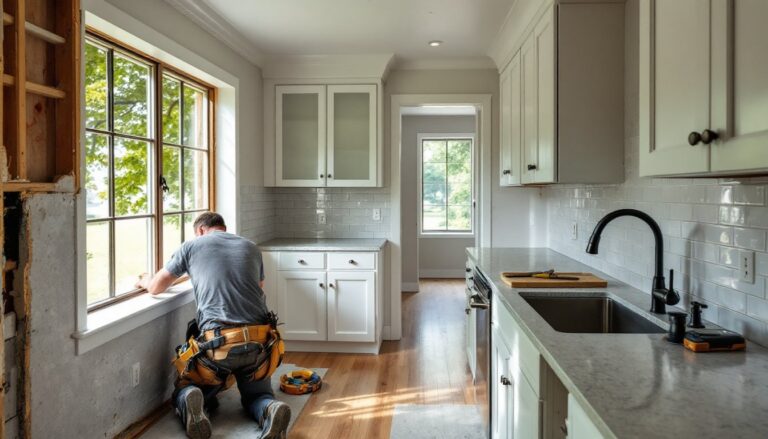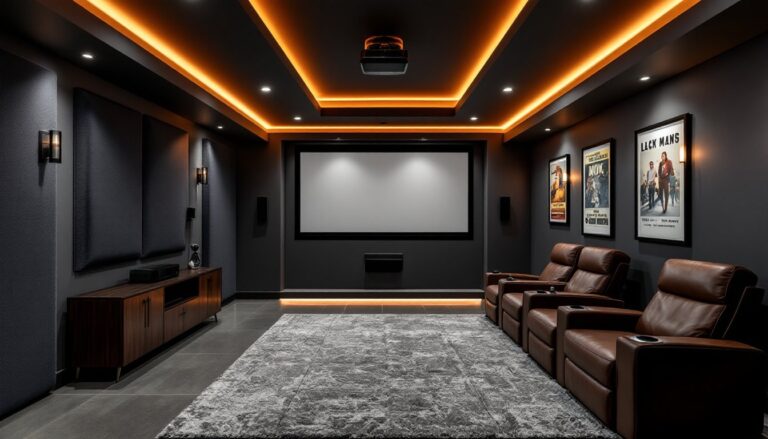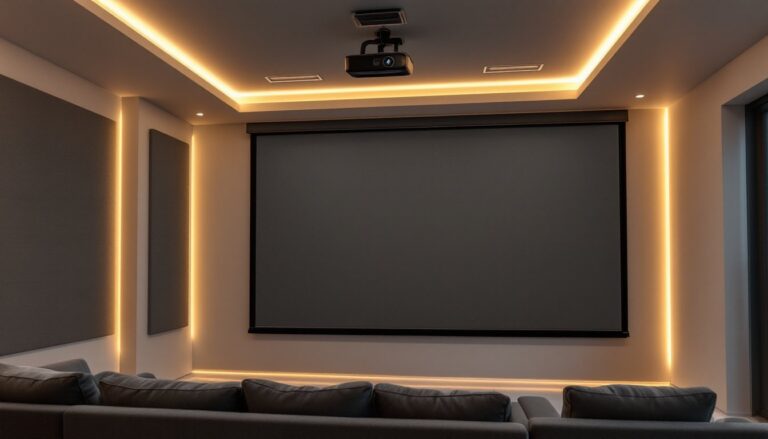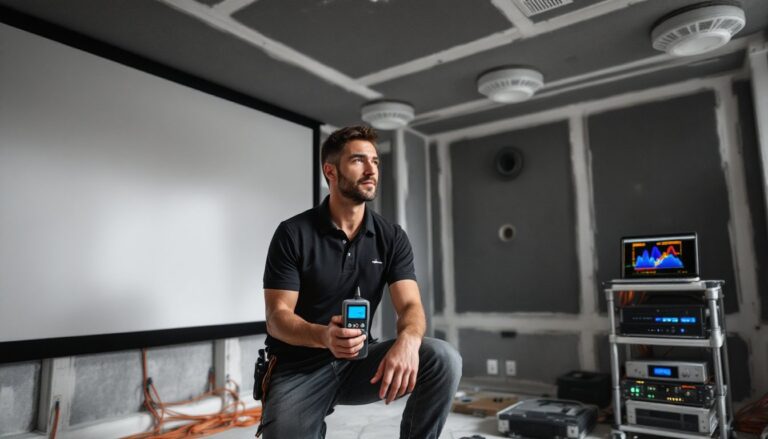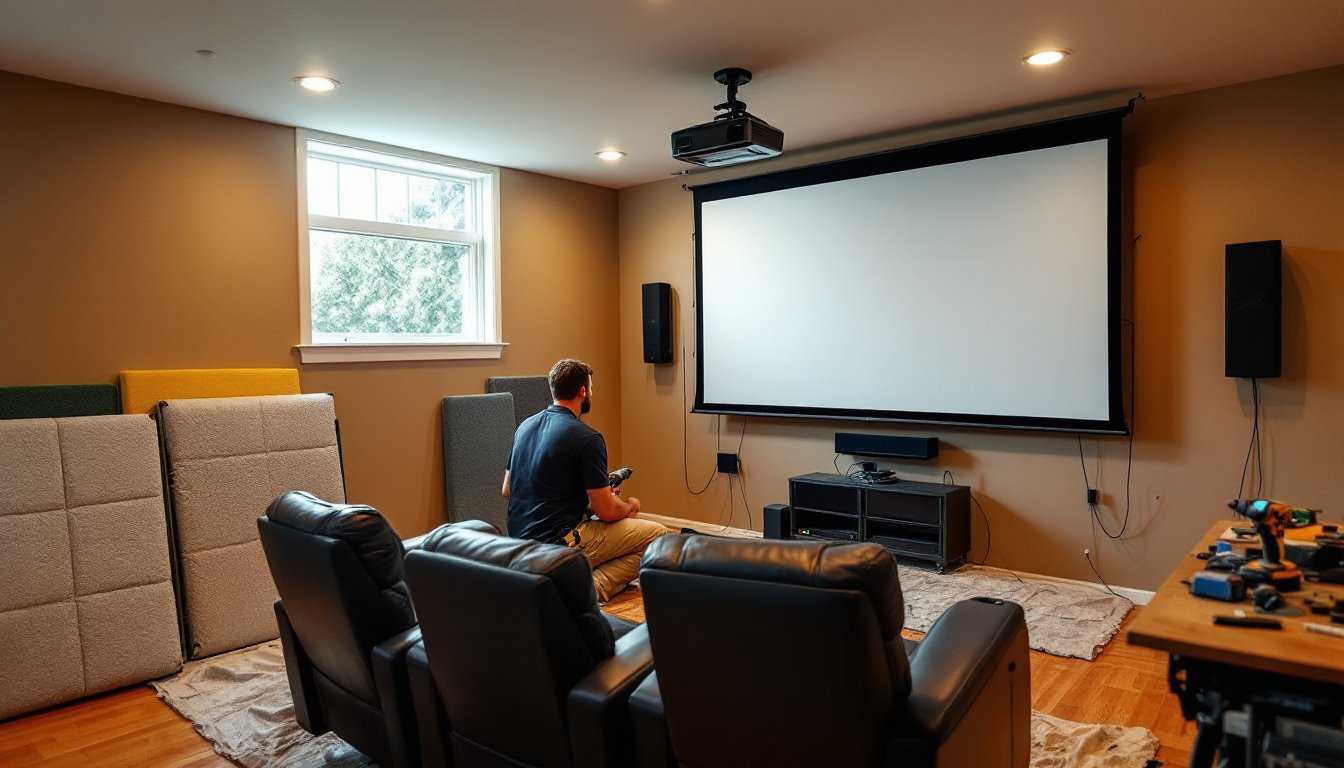
Building a dedicated home theater has become one of the most popular upgrades for Atlanta homeowners, transforming spare rooms, basements, and bonus spaces into entertainment havens. Whether someone’s planning a modest media room or a full-scale cinema experience, the process involves careful planning, proper equipment selection, and honest assessment of DIY skills versus professional expertise. This guide walks through everything Atlanta residents need to know, from choosing the right room and components to understanding installation costs and finding qualified local installers. The goal isn’t just a big screen and loud speakers: it’s creating a functional, immersive space that actually gets used.
Table of Contents
ToggleKey Takeaways
- Home theater installation in Atlanta GA adds measurable property value and creates year-round entertainment spaces suited to the region’s climate, with basements and bonus rooms being ideal for conversions.
- Room dimensions and acoustic properties are critical—rectangular rooms with a length-to-width ratio between 1.3:1 and 1.5:1 perform better than perfect squares, and seating distance should follow the 1–1.5× screen width formula for 4K displays.
- A complete home theater system requires six core components: display (TV or projector), audio system, AV receiver, seating, acoustic treatments, and source equipment, with costs ranging from $3,000 for basic setups to $60,000+ for premium installations.
- DIY-friendly tasks include TV mounting, speaker wire installation, and acoustic panel placement, but professional installers are essential for in-wall wiring, structural modifications, electrical work, and calibration to ensure proper system integration.
- When selecting a home theater installer in Atlanta, verify CEDIA certification, request references and detailed written quotes that itemize labor and materials separately, and ask about CAD drawings, calibration credentials, and warranty support before committing.
- Labor typically represents 30–40% of total project costs, with Atlanta’s skilled A/V installers charging $75–$150 per hour, and realistic timelines range from 1–3 days for basic setups to 2–3 weeks for projects involving construction and custom work.
Why Atlanta Homeowners Are Investing in Home Theaters
Atlanta’s mix of older homes with spacious basements and newer builds with bonus rooms makes the metro area ideal for home theater installations. The pandemic accelerated a trend that was already building: families want quality entertainment at home without the hassle and expense of going out.
Home theaters add measurable value to properties in competitive neighborhoods like Brookhaven, Decatur, and Sandy Springs. Buyers recognize a well-executed media room as a premium feature, especially when it includes quality soundproofing and built-in seating. Beyond resale value, homeowners cite better family time, hosting flexibility, and long-term savings on movie tickets and streaming-friendly spaces.
Atlanta’s climate also plays a role. Summer heat and unpredictable weather make indoor entertainment appealing year-round. A climate-controlled theater room offers comfort that outdoor spaces can’t match, particularly during humid July evenings or rainy spring weekends.
Planning Your Home Theater: Room Selection and Layout Considerations
Room selection determines 70% of a home theater’s success. Basements work well because they’re naturally isolated from household noise and easier to darken. Finished basements with 8-foot ceilings can accommodate most setups, though 9 feet or higher allows for tiered seating. Spare bedrooms and bonus rooms work too, but require more attention to soundproofing and light control.
Dimensions matter. A room that’s at least 12 feet wide by 16 feet deep provides enough space for proper speaker placement and seating distance. Avoid perfect squares, they create acoustic issues with standing waves. Rectangular rooms with a length-to-width ratio between 1.3:1 and 1.5:1 deliver better sound.
Seating distance from the screen follows a simple formula: for a 4K display, sit 1 to 1.5 times the screen width away. For a 100-inch diagonal screen (which measures about 87 inches wide), that means seating 7 to 11 feet back. For 1080p projectors, increase that to 1.5 to 2.5 times the width.
Light control is non-negotiable. Windows need blackout curtains or removable panels. Can lights and recessed fixtures should be on dimmers. Wall color affects picture quality, neutral grays and dark browns absorb light better than white or beige, reducing screen glare.
Electrical planning includes dedicated 20-amp circuits for A/V equipment and consideration for future upgrades. Running conduit during initial setup makes cable management and equipment changes easier down the road. Check local code requirements, some jurisdictions require permits for new electrical runs, especially if finishing an unfinished basement.
Essential Components for Your Atlanta Home Theater System
A complete home theater system includes six core components, each with trade-offs between performance and budget.
Display options split between flat-panel TVs and projectors. 75 to 85-inch 4K TVs ($1,200–$3,000) work for rooms under 15 feet deep and require no screen. Projectors ($800–$5,000) scale to 100+ inches but need a quality screen ($300–$2,000) and a dark room. Short-throw projectors suit rooms where ceiling mounting isn’t practical.
Audio systems range from soundbars ($300–$800) to full 5.1 or 7.1 surround setups ($1,500–$8,000). A true surround system includes an AV receiver, front left/right speakers, center channel, surround speakers, and a subwoofer. Speaker placement follows standards: center channel above or below the screen, front speakers 22–30 degrees off-center from the main seating position, surrounds 90–110 degrees to the sides.
AV receivers process audio and route video signals. Look for models with Dolby Atmos and DTS:X support, 4K pass-through, and enough HDMI inputs for all sources (streaming boxes, game consoles, Blu-ray players). Budget $400–$1,200 for a mid-range receiver.
Seating should prioritize comfort for 2+ hour sessions. Theater recliners with cup holders run $400–$1,500 per seat. Measure carefully, recliners need 3–4 feet of clearance when fully extended.
Acoustic treatments include bass traps in corners, diffusers on rear walls, and absorption panels on side walls. Many Atlanta installers recommend at least four 2-inch thick panels for rooms under 300 square feet.
Source equipment includes 4K streaming devices ($50–$180), game consoles, and Blu-ray players. Ethernet hardwiring beats Wi-Fi for 4K streaming reliability, plan cable runs during initial setup.
DIY vs. Professional Installation: What Atlanta Homeowners Need to Know
The line between DIY-friendly and professional work depends on scope and skill level. Homeowners comfortable with power tools and basic electrical work can handle certain aspects: others require licensed pros.
DIYers can realistically tackle: mounting a TV on a single stud wall, running low-voltage speaker wire through open spaces, connecting pre-wired components, installing acoustic panels with construction adhesive, and basic cable management. These tasks need measuring accuracy, a stud finder, a drill, and patience, not specialized training.
Professional help makes sense for: in-wall or in-ceiling speaker installation (requires cutting drywall and fishing wire), custom equipment racks, multi-zone audio systems, network-integrated smart controls, and soundproofing that involves insulation and resilient channel. Projector mounting and calibration also benefits from experience, ceiling joists aren’t always where you’d expect, and getting the throw distance and keystone correction right takes practice.
When pros are required: Any work that modifies load-bearing structures needs an engineer’s approval. Running new electrical circuits in finished spaces requires a licensed electrician in most Georgia jurisdictions, and inspections may be mandatory. HVAC modifications for dedicated theater ventilation need proper load calculations and permitting.
A hybrid approach works for many: homeowners frame walls and run conduit, then hire specialists for wiring termination and calibration. Finding qualified home theater system professionals ensures components work together properly and warranties stay intact.
Safety gear for DIY work: safety glasses for drilling overhead, dust mask when cutting or drilling drywall, ear protection when using circular saws or routers, work gloves when handling cut metal studs or sharp speaker grilles.
Finding the Right Home Theater Installer in Atlanta
Atlanta has dozens of A/V installers, but quality varies. Start by verifying CEDIA (Custom Electronic Design & Installation Association) certification, it’s the industry standard for training and best practices. Certified installers understand acoustics, signal flow, and integration beyond just hooking up wires.
Ask for references from projects similar in scope and budget. A company that specializes in $100K whole-home automation might not give appropriate attention to a $15K basement theater, and vice versa. Request photos of completed installs, specifically wire management and rack organization, sloppy work shows up in those details.
Key questions for installers:
- Do they provide CAD drawings or room mockups before starting?
- What brands do they typically use, and why?
- Who performs calibration (THX, ISF, or HAA certification matters here)?
- What’s included in warranty and post-install support?
- Do they pull permits when required?
- Will they work with equipment the homeowner sources, or require proprietary products?
Get at least three written quotes. Detailed proposals separate quality installers from box-movers. The quote should itemize labor, equipment, materials, calibration, and any construction work separately. Beware of installers who refuse to explain pricing or pressure immediate decisions.
Timeline expectations run 1–3 days for basic setups (equipment mounting, connection, calibration) to 2–3 weeks for projects involving construction, custom millwork, or extensive wiring. Reputable installers schedule around homeowner availability and protect flooring and furniture during work.
Cost Expectations for Home Theater Installation in the Atlanta Area
Home theater costs in Atlanta vary based on room size, equipment quality, and installation complexity. These ranges reflect mid-2026 pricing and assume moderate material costs.
Basic setups ($3,000–$8,000) include a quality 75-inch 4K TV, soundbar or entry-level 5.1 system, streaming device, and professional mounting/connection. This tier works for dedicated rooms that don’t need construction or extensive wiring.
Mid-range installations ($10,000–$25,000) add a projector and screen, full 7.1 surround sound with in-wall or in-ceiling speakers, acoustic treatments, theater seating for 4–6, smart lighting controls, and professional calibration. Expect some minor construction for speaker installation and wire concealment.
Premium theaters ($30,000–$60,000+) feature commercial-grade projectors, Dolby Atmos ceiling speakers (requires at least four overhead channels), custom seating, advanced room treatments, network integration, dedicated HVAC, and significant construction work. Luxury finishes like fabric-wrapped walls, custom millwork, and automated masking screens push costs higher.
Labor typically runs 30–40% of total project cost. For reference, when planning budgets using resources like HomeAdvisor or similar estimators, remember that Atlanta’s metro-area rates for skilled A/V work range from $75–$150 per hour depending on certification and company overhead.
Hidden costs to budget for: surge protection and power conditioning ($200–$800), extended warranties on projector lamps ($150–$300), calibration discs and test equipment if DIYing setup ($50–$200), HVAC adjustments for equipment heat load, and furniture/décor.
Financing through home equity lines or installer payment plans makes sense for projects over $15,000. Some installers offer 12–24 month interest-free terms. Check whether installation costs qualify as home improvement for tax purposes, consult a local CPA, as rules vary.
For detailed cost breakdowns on different home renovation projects, including theater installations, use multiple estimator tools and compare against actual local quotes. Material costs fluctuate, electronics dropped 15–20% in 2025 but shipping and labor increased 8–10% in Atlanta specifically.
Conclusion
A well-planned home theater delivers years of entertainment value and becomes the most-used room in many Atlanta homes. Success comes from matching the project scope to budget and skill level, choosing the right room and equipment, and knowing when to call in pros. Whether tackling a weekend TV mounting or a full basement conversion, the key is thorough planning and honest assessment of what’s realistic to DIY versus what needs expertise.