Lancaster County homes carry history, many date back a century or more, with solid bones but outdated layouts and systems. Whether it’s a tired kitchen in a Manheim Cape Cod or a cramped bathroom in a downtown rowhouse, remodeling offers a way to honor the character while adding modern function. This guide walks through what’s driving the current remodeling wave in Lancaster, which projects deliver the most value, and how to navigate the practical realities of permits, contractors, and doing it yourself in a region where both Amish craftsmanship and strict township codes shape every project.
Table of Contents
ToggleKey Takeaways
- Home remodeling in Lancaster PA has surged due to tight inventory, steady property appreciation (8-12% in desirable areas), and rising energy costs that make upgrading outdated systems a smart financial move.
- Kitchen and bathroom renovations are the top remodeling projects, with kitchens averaging $25,000–$60,000 and bathrooms $12,000–$30,000, delivering strong ROI through improved functionality and modern finishes.
- Lancaster’s humid climate and pre-1978 construction require specific material choices and compliance measures—acclimate hardwood before installation, address potential lead paint with EPA-certified contractors, and ensure proper ventilation to prevent mold.
- Licensed professionals are essential for structural, electrical, and plumbing work in Lancaster County, but DIYers can save money on cosmetic projects like painting, trim installation, and flooring when they have basic skills.
- Each of Lancaster’s 60 municipalities has different building codes and permit requirements, so verify local regulations before starting work and schedule inspections at rough-in and final stages to avoid costly corrections.
- Planning a remodel with realistic timelines (8–12 weeks for kitchens, 4–6 weeks for bathrooms) and phasing projects strategically ensures you address critical mechanical systems before pursuing cosmetic upgrades.
Why Lancaster PA Homeowners Are Choosing to Remodel Now
Lancaster’s housing market has stayed competitive through 2026, with inventory still tight and mortgage rates higher than the 2020-2021 lows. Rather than chase overpriced listings, many homeowners are choosing to invest in the space they already own.
Property values in Lancaster County have appreciated steadily, homes in desirable boroughs like Lititz and Strasburg have seen gains of 8-12% over the past two years. A well-executed remodel can capture some of that equity while avoiding the transaction costs and uncertainty of moving.
Energy efficiency is another driver. Older homes in the region were built before modern insulation standards, and heating costs during a Pennsylvania winter can run $200-$400 per month. Projects that include new windows, air sealing, and updated HVAC systems often pay for themselves within a decade through lower utility bills.
Finally, the demand for aging-in-place modifications is growing. Baby boomers who’ve lived in Lancaster for decades want to stay put, which means adding zero-step entries, first-floor primary suites, and accessible showers. These aren’t just lifestyle upgrades, they’re long-term investments in independence.
Most Popular Home Remodeling Projects in Lancaster
Kitchen Renovations
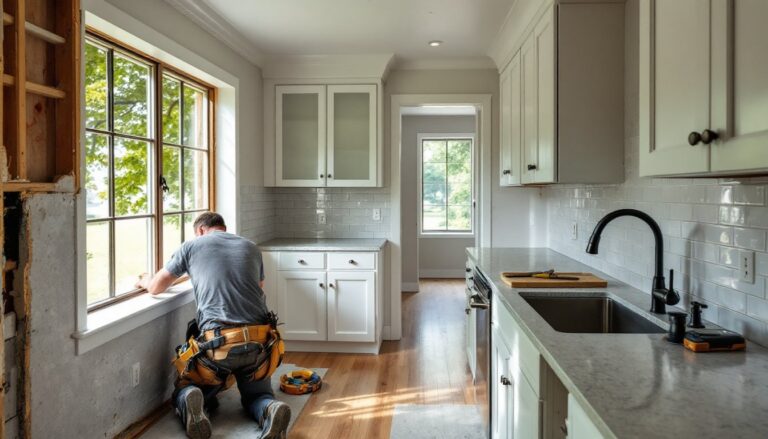
Kitchens remain the top remodeling priority for Lancaster homeowners, and for good reason, they’re the hub of daily life and a major selling point. Many older homes in the area have 8×10-foot galley kitchens with limited counter space, insufficient lighting, and appliances that don’t meet modern energy standards.
A typical kitchen remodel in Lancaster ranges from $25,000 to $60,000, depending on scope and finishes. That usually includes refaced or new cabinets, quartz or granite countertops (expect 25-30 square feet for an average L-shaped layout), a tile backsplash, updated lighting, and new appliances. Homeowners often gain an extra 20-40% usable counter space by reconfiguring the layout or removing a non-load-bearing wall to open up the flow to the dining area.
Flooring is another key component. Luxury vinyl plank (LVP) has become the go-to for Lancaster kitchens, it handles the humidity swings, resists scratches from pet claws and dropped pans, and costs $3-$6 per square foot installed. Hardwood looks beautiful but requires more maintenance in a high-traffic kitchen.
Permits are required for electrical and plumbing changes, and if you’re moving a gas line for a range, you’ll need a licensed plumber. Most townships in Lancaster County require inspections at rough-in and final stages.
Bathroom Upgrades
Bathroom remodels are close behind kitchens in popularity. Lancaster’s older homes often have 5×8-foot bathrooms with pedestal sinks, outdated tile, and poor ventilation. A mid-range bathroom renovation runs $12,000 to $30,000 and typically includes a new fiberglass or acrylic tub/shower surround, a vanity with integrated sink, updated plumbing fixtures, and improved lighting.
One trend gaining traction: curbless showers with linear drains. These meet universal design standards and work well in homes where aging-in-place is a goal. Expect to pay $1,500-$3,000 more than a standard shower pan for the additional waterproofing and slope work required.
Ventilation can’t be overlooked in Lancaster’s humid summers. A properly sized exhaust fan (rated for at least 50 CFM in a standard bathroom) is required by code and prevents mold growth. Mount it directly over the shower if possible, and vent it to the exterior, never into the attic.
For DIYers, demo and painting are manageable, but tile work and plumbing should be left to pros unless you have experience. A poorly set cement board or missed waterproofing step can lead to rot and costly repairs down the line. Many homeowners consult cost estimators to budget for these specialized tasks upfront.
Planning Your Lancaster Remodeling Project: Key Considerations
Start with a realistic budget and timeline. Remodeling projects in Lancaster take longer than national averages, local contractors are often booked 6-12 weeks out, and custom millwork or cabinetry from Amish craftsmen can add lead time. Plan for a kitchen remodel to take 8-12 weeks from demo to final inspection, and a bathroom 4-6 weeks.
Material selection should account for Lancaster’s climate. Winters are cold and damp: summers are hot and humid. Hardwood flooring needs to acclimate in the home for at least 72 hours before installation to prevent gaps or cupping. Same goes for drywall and trim, store it inside before cutting.
If your home was built before 1978, assume lead paint is present. Pennsylvania law requires EPA-certified contractors for any work that disturbs painted surfaces in pre-1978 homes. DIYers can handle small projects (under 6 square feet) but must follow safe work practices: containment, HEPA vacuums, and wet sanding.
Asbestos is another concern in homes built before 1980. It can be found in floor tiles, pipe insulation, and textured ceilings. If you’re unsure, get a sample tested before demo. Removal requires a licensed abatement contractor in Pennsylvania.
Finally, consider phasing the project if budget is tight. Tackle structural and mechanical work first (foundation repairs, new HVAC, electrical panel upgrades), then move to finishes. It’s less glamorous, but a new backsplash won’t matter if your furnace fails in January.
Finding the Right Professionals vs. DIY in Lancaster
Lancaster has a deep bench of skilled tradespeople, from Amish carpenters known for fine woodwork to licensed electricians and plumbers who’ve worked on everything from farmhouses to new construction in Warwick Township.
For structural, electrical, or plumbing work, hire a licensed professional. Pennsylvania requires state licensing for plumbers and electricians, and most townships won’t issue permits to unlicensed individuals. Expect to pay $75-$125 per hour for a licensed electrician and $85-$150 per hour for a plumber in Lancaster County.
General contractors typically charge 15-20% of the project cost for managing subcontractors, scheduling inspections, and handling material orders. On a $40,000 kitchen remodel, that’s $6,000-$8,000. If you have the time and organizational skills, you can save that markup by acting as your own GC, but be prepared to coordinate multiple trades, handle permit applications, and troubleshoot delays.
DIY makes sense for cosmetic work: painting, installing trim, laying flooring, tiling a backsplash, or building simple furniture. A homeowner with basic carpentry skills can install pre-finished hardwood or LVP flooring and save $2-$4 per square foot in labor costs. Same with painting, a gallon of quality interior paint covers roughly 350-400 square feet and costs $35-$50. Hiring a pro runs $1.50-$3.50 per square foot for walls and trim.
When hiring, ask for references and check recent project reviews from other Lancaster homeowners. A good contractor will provide a detailed scope of work, a payment schedule tied to milestones, and proof of insurance. Avoid anyone who asks for full payment upfront or doesn’t pull permits.
Navigating Lancaster’s Permits and Regulations
Lancaster County has 60 municipalities, and each sets its own building codes and permit requirements. What flies in Manheim Township might not pass in East Lampeter. Always check with your local code office before starting work.
Building permits are required for structural changes (removing walls, adding rooms, cutting roof joists), electrical work (new circuits, panel upgrades, recessed lighting), plumbing (moving fixtures, adding bathrooms), and HVAC installation. Permit fees vary but typically run $50-$200 depending on project scope.
Inspections are mandatory at specific stages. For electrical work, you’ll need a rough-in inspection (wiring in place, before drywall) and a final inspection (fixtures installed, system energized). Plumbing follows a similar sequence. Schedule inspections 24-48 hours in advance and don’t cover up work until it’s approved.
Load-bearing walls require engineered plans in most townships. If you’re opening up a kitchen or removing a wall between rooms, hire a structural engineer to spec a laminated veneer lumber (LVL) beam and calculate the load. Expect to pay $400-$800 for stamped drawings. Skipping this step can lead to sagging floors, cracked drywall, or worse, a failed inspection and costly corrections.
Zoning matters for additions and exterior changes. Setback requirements, lot coverage limits, and historic district rules can all affect what you’re allowed to build. If your home is in a borough like Lancaster City or a village like Intercourse, design review boards may weigh in on exterior materials and window styles to preserve neighborhood character.
Pennsylvania’s Uniform Construction Code (UCC) applies statewide, but local amendments are common. For example, some townships require AFCI breakers in all living areas, while others follow the base NEC requirements. When in doubt, ask your inspector or hire an experienced local contractor who knows the quirks of your municipality.
Safety gear is non-negotiable during any remodel: safety glasses for demo and cutting, a respirator (N95 minimum, P100 for lead or mold), hearing protection for power tools, and work gloves for handling rough lumber and metal. Keep a fire extinguisher and first aid kit on site, and never bypass a GFCI outlet in wet areas, it’s code for a reason.