Estate refrigerators occupy a unique space in the appliance market, they’re positioned as premium-tier models from a brand many homeowners don’t immediately recognize. While Estate operates under the Whirlpool Corporation umbrella, these units offer distinct features and design choices that appeal to buyers seeking higher capacity, better temperature control, and more polished finishes than entry-level models. Understanding what sets Estate apart, and whether the price premium makes sense for a specific kitchen renovation or appliance replacement, requires looking past the brand name and examining actual build quality, functionality, and how these fridges hold up in real-world use. This guide covers the specs, standout features, and practical considerations for anyone evaluating an Estate refrigerator in 2026.
Table of Contents
ToggleKey Takeaways
- Estate refrigerators offer premium mid-tier features like adaptive defrost and multi-sensor temperature management at a lower price point than luxury brands like KitchenAid.
- Choose an estate refrigerator based on kitchen layout and household size—French door models suit meal prep and fresh food storage, while side-by-side designs work better for narrow kitchens.
- Proper installation and maintenance, including 4-hour settling time and regular filter replacement, extends an estate refrigerator’s lifespan to 12-15 years and maintains peak performance.
- Estate models provide better temperature stability (37–40°F consistently) and quieter operation than entry-level brands, with Energy Star certification keeping annual costs around $55–$70.
- Budget $1,800–$3,200 for an estate refrigerator plus delivery and installation, and verify service availability in your region since rural areas may have fewer authorized repair technicians.
What Is an Estate Refrigerator?
Estate refrigerators are a mid-to-premium appliance line manufactured by Whirlpool Corporation. They sit above Whirlpool-branded models in terms of features and finish quality, but below luxury brands like KitchenAid or standalone premium lines. The positioning targets homeowners who want professional-grade performance and aesthetics without the price tag of high-end European or commercial-style units.
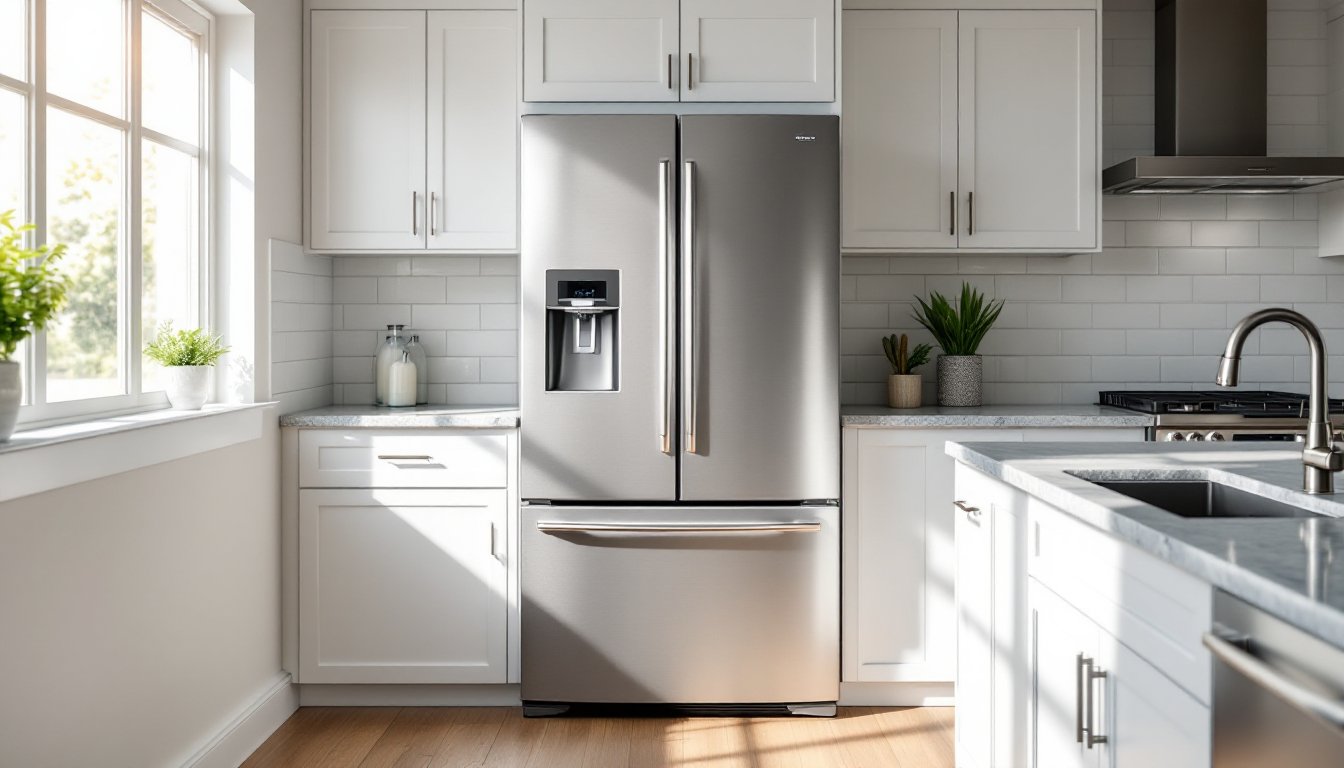
Most Estate models feature stainless steel construction, French door or side-by-side configurations, and capacities ranging from 22 to 28 cubic feet. They’re designed for standard kitchen layouts with cutout widths of 36 inches, though some larger models require more clearance. The brand emphasizes temperature consistency, humidity-controlled crispers, and adaptive defrost technology.
Estate fridges are sold through select retailers and appliance dealers rather than big-box stores, which contributes to their less-recognized status compared to mass-market brands. Warranty coverage typically includes one year full parts and labor, with extended coverage available for sealed refrigeration systems. Anyone shopping Estate should verify local service availability, being part of Whirlpool’s network helps, but independent repair techs may stock fewer Estate-specific parts compared to more common brands.
Key Features That Set Estate Refrigerators Apart
Estate models distinguish themselves through a combination of capacity optimization and temperature management tech that goes beyond basic cooling.
Adaptive Defrost monitors compressor run time and only defrosts when necessary, rather than on a fixed schedule. This reduces freezer burn and maintains more stable temps, critical for frozen meats and prepared meals stored long-term.
FreshFlow Air Filter and Produce Preserver work together to absorb ethylene gas and odors. The air filter is replaceable (typically every 6 months) and uses activated carbon. The produce preserver extends the life of leafy greens, berries, and other ethylene-sensitive items by up to 25% compared to standard crispers.
ExtendFresh Temperature Management uses sensors in both fresh food and freezer compartments to adjust cooling cycles. When the door opens frequently, common during meal prep or holiday cooking, the system compensates faster than single-sensor designs. Many homeowners note that kitchen organization strategies can enhance the effectiveness of these features by reducing door-open time.
Adjustable Gallon Door Bins accommodate taller bottles and condiment jars without sacrificing shelf space. Bins slide up or down without tools, which is a small but meaningful upgrade when reconfiguring storage for bulk shopping trips.
LED Lighting is standard across Estate models, with strips mounted along the side walls rather than overhead. This placement reduces shadows on lower shelves and uses roughly 70% less energy than incandescent bulbs found in older fridges.
One under-the-radar feature: flush-back design on French door models. The cabinet depth allows the unit to sit nearly flush with standard 24-inch base cabinets when installed properly, giving a built-in appearance without custom cabinetry or expensive panel kits.
Top Estate Refrigerator Models to Consider
Estate’s current lineup includes several configurations worth examining based on household size and layout constraints.
Estate TFFS25ECMS (25.2 cu. ft. Side-by-Side): This model works well for narrow kitchens where door swing is limited. The 33-inch width fits tighter spaces, and the through-the-door ice and water dispenser eliminates the need to open the freezer for ice. The trade-off is less flexible shelving, side-by-side designs struggle with wide items like pizza boxes or sheet cakes.
Estate TFF28DBMS (27.8 cu. ft. French Door): The most popular configuration in the Estate range. It offers full-width shelves that accommodate large platters and meal-prep containers. The bottom-mount freezer includes a pull-out drawer with a divider, which helps separate frozen vegetables from meats. The external water dispenser skips ice dispensing, freeing up freezer space.
Estate TSF26FNMS (25.6 cu. ft. French Door): Similar capacity to the TFF28DBMS but with an internal water dispenser instead of external. This design reduces the freezer footprint slightly but keeps the exterior smooth, a cleaner look if the fridge is visible from living areas. No ice maker on this model, which some buyers prefer to avoid filter maintenance.
Estate TFFS22VCMS (21.9 cu. ft. Top-Freezer): The budget-conscious option. Top-freezer models are the most energy-efficient configuration and require the least repair over a 10-year lifespan. This model lacks advanced features like adaptive defrost but uses simple mechanical controls that are easier to troubleshoot. It’s a solid choice for rental properties or secondary kitchens where reliability trumps convenience.
Pros and Cons of Choosing an Estate Refrigerator
Estate refrigerators deliver measurable benefits but come with trade-offs that don’t suit every situation.
Pros:
- Better temperature stability than entry-level brands. Estate’s multi-sensor design keeps fresh food between 37°F and 40°F more consistently, which matters for dairy, deli meats, and leftovers.
- Quieter operation thanks to variable-speed compressors. Most models run at 40-42 decibels during normal cycling, quieter than a typical dishwasher.
- Parts availability through Whirlpool’s service network. Repair techs can usually source Estate components within 2-3 business days, compared to weeks for boutique brands.
- Energy Star certification across most models, with annual operating costs around $55-$70 based on average electric rates.
Cons:
- Higher upfront cost than comparable Whirlpool models with similar capacity. The premium for Estate badging runs $200-$400 depending on the model.
- Limited trim kit options for custom installations. If you’re doing a full kitchen remodel with panel-ready appliances, Estate offers fewer choices than KitchenAid or Bosch.
- No Wi-Fi connectivity on current models. Smart-home enthusiasts won’t find app control, remote diagnostics, or voice assistant integration.
- Service availability varies by region. Rural areas may have fewer authorized techs compared to major metro markets. As noted in appliance testing reviews, service network strength significantly impacts long-term satisfaction.
Anyone comparing Estate to other mid-tier brands should test door swing clearance in their actual kitchen. French door models need 24-30 inches of clearance in front for full door opening, which can interfere with kitchen islands or tight work triangles.
Installation and Maintenance Tips for Estate Refrigerators
Proper installation extends appliance life and prevents common failures. Estate units are heavy, most models weigh 250-300 pounds empty, so recruit help and use an appliance dolly with straps.
Installation Steps:
- Verify the cutout dimensions before delivery. Measure height, width, and depth, accounting for door swing and hinge clearance. Estate specs list both cabinet depth and overall depth with doors, the latter matters if the fridge will protrude past countertops.
- Check the floor surface. Estate recommends a level floor within 1/8 inch over the fridge footprint. Uneven floors cause door alignment issues and trigger the self-leveling legs to max out their adjustment range.
- Leave clearance for airflow. Maintain 1 inch on sides and 2 inches at the back for condenser coil ventilation. Blocking airflow forces the compressor to work harder, reducing efficiency and lifespan.
- Connect the water line (if equipped). Use 1/4-inch copper or braided stainless steel supply line with a shutoff valve. Avoid plastic tubing, it cracks over time and isn’t code-compliant in many jurisdictions. The valve should be accessible without pulling the fridge out.
- Level the unit front-to-back and side-to-side using the adjustable legs. Doors should swing shut on their own from a 45-degree open position. If they don’t, the fridge is leaning forward.
- Let the fridge settle for 4 hours before plugging it in. This allows compressor oil to drain back after transport. Skipping this step can damage the sealed system.
Maintenance Schedule:
- Every 3 months: Wipe down door gaskets with warm, soapy water. Crumbs and spills degrade the seal and let cold air escape.
- Every 6 months: Replace the FreshFlow air filter and clean condenser coils. Coils are typically accessed from the front grille, vacuum with a brush attachment or use a coil cleaning brush.
- Annually: Check the water filter (if equipped) and replace it even if the indicator light hasn’t triggered. Clogged filters reduce water pressure and ice production.
- As needed: Defrost the freezer manually if frost buildup exceeds 1/4 inch. Excessive frost indicates a failing door gasket or a problem with the adaptive defrost sensor.
Safety note: Always unplug the fridge before accessing internal components or the rear panel. Wear work gloves when handling sharp sheet metal edges inside the cabinet.
How to Choose the Right Estate Refrigerator for Your Home
Selecting the right Estate model depends on kitchen layout, household size, and how the fridge gets used day-to-day.
Capacity Considerations:
A general rule is 4-6 cubic feet per household member for primary refrigeration. A family of four should target 22-25 cu. ft., while larger households or frequent entertainers benefit from 27+ cu. ft. models. If you keep a second fridge in the garage or basement for overflow, a smaller primary unit works fine.
Configuration Choices:
- French door models suit families who prioritize fresh food storage and do weekly meal prep. The wide shelves handle large containers and baking sheets.
- Side-by-side designs work better for narrow kitchens or users who grab frozen items frequently, the vertical freezer is easier to organize than a bottom-mount drawer.
- Top-freezer units are the most reliable and energy-efficient but lack the convenience features found in premium configs. They’re ideal for secondary kitchens, in-law suites, or anyone prioritizing simplicity.
Feature Prioritization:
Decide which features justify the cost. If you don’t use ice regularly, skip models with through-the-door dispensers, they reduce usable freezer space and add potential leak points. Internal water dispensers work well for households that refill water bottles but don’t need bulk ice for entertaining. Many modern kitchen layouts now incorporate dedicated beverage coolers, which reduces the need for large ice storage in the main fridge.
For households with young kids or mobility-limited users, models with external controls are easier to adjust without opening doors. French door units with the freezer on the bottom put fresh food at eye level, reducing bending.
Budget Reality:
Estate refrigerators typically range from $1,800 to $3,200 depending on size and features. Factor in delivery ($100-$150), haul-away of the old unit ($50-$75), and potential electrical or water line upgrades if the existing setup doesn’t match the new model’s requirements. If the kitchen lacks a grounded outlet or the water line is outdated, hire a licensed electrician or plumber, this isn’t DIY territory.
Finally, verify the warranty terms and register the appliance within 30 days of purchase to activate extended coverage options. Keep receipts for filters and service calls, they’re sometimes required for warranty claims on components like ice makers or electronic controls.
Conclusion
Estate refrigerators occupy a practical middle ground for homeowners who want premium features without luxury-brand pricing. The key is matching the model to actual kitchen constraints, measure twice, account for door swing, and don’t overspend on features that won’t get used. With proper installation and consistent maintenance, an Estate fridge delivers reliable performance for 12-15 years, making it a reasonable investment for most households tackling kitchen upgrades or new construction.