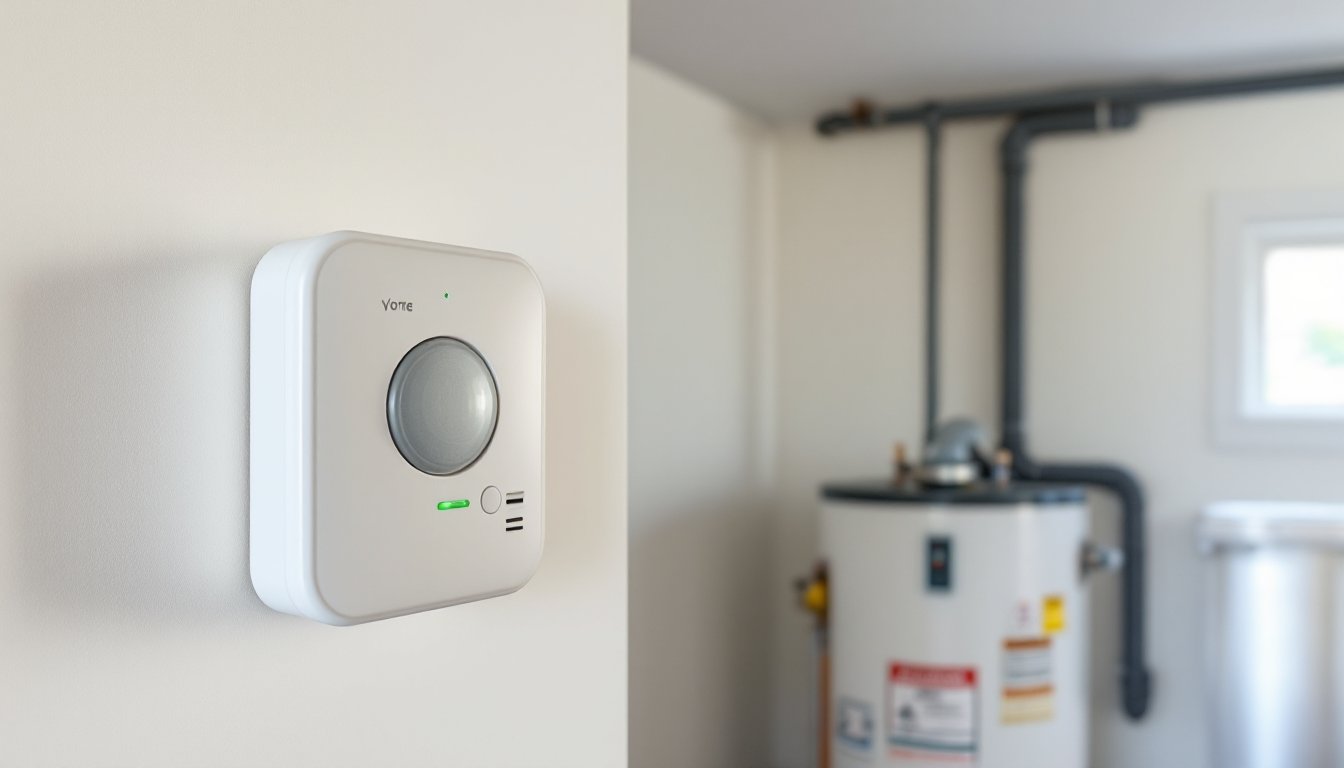
If you’ve got natural gas appliances, furnace, water heater, range, or dryer, you’ve got a potential leak source. And unlike smoke or water damage, gas leaks are invisible, often odorless in small concentrations, and can turn deadly fast. A home gas leak detector isn’t a luxury: it’s a critical safety device that monitors for combustible gases and alerts homeowners before a small leak becomes a catastrophic event. This guide walks through how these detectors work, what types are available, and how to choose and install the right one for your home.
Table of Contents
ToggleKey Takeaways
- A home gas leak detector is essential safety equipment for any household with natural gas or propane appliances, as leaks are invisible and can turn deadly within minutes.
- Gas leak detectors use catalytic bead or metal oxide semiconductor (MOS) sensors to monitor combustible gases and carbon monoxide, alarming at approximately 10% of the lower explosive limit—well before dangerous concentrations occur.
- Choose between plug-in detectors (ideal for basements and utility rooms), battery-operated models (flexible placement), combo units (multi-threat monitoring), or smart detectors (remote alerts).
- Install natural gas detectors on ceilings or high walls, propane detectors 12–18 inches above the floor, and carbon monoxide detectors at breathing height (5 feet), with at least one detector per appliance zone.
- Verify detectors are UL or CSA certified, maintain them through monthly testing and battery replacement, and evacuate immediately—calling 911—if an alarm sounds without using switches or electronics.
- Early detection prevents fires, explosions, CO poisoning (which kills over 400 Americans annually), and can save hundreds of dollars in wasted fuel from small, undetected leaks.
Why Every Home Needs a Gas Leak Detector
Natural gas and propane are both excellent fuels, efficient, clean-burning, and cost-effective, but they’re also highly flammable. Even a minor leak can fill an enclosed space with explosive concentrations of gas. The odorant added to natural gas (mercaptan) helps, but it’s not foolproof. Leaks in crawl spaces, basements, or behind appliances may go unnoticed until someone strikes a match or flips a light switch.
Carbon monoxide (CO) is another silent threat. While it’s a byproduct of incomplete combustion rather than a direct gas leak, many multi-gas detectors monitor both combustible gases and CO. According to the CDC, more than 400 Americans die from unintentional CO poisoning each year, and over 100,000 visit emergency rooms.
Beyond safety, gas leaks waste money. A small leak can burn through hundreds of dollars in fuel annually. Early detection prevents both financial loss and the risk of fire or explosion. If your home has gas appliances, a detector should be on the same tier as smoke alarms and fire extinguishers.
How Gas Leak Detectors Work
Most residential gas leak detectors use one of two sensor technologies: catalytic bead sensors or metal oxide semiconductor (MOS) sensors. Catalytic sensors detect combustible gases by measuring the heat generated when gas oxidizes on a catalytic surface. They’re accurate and widely used in professional equipment, but they require periodic recalibration and have a finite lifespan (typically 3–5 years).
MOS sensors change electrical resistance when exposed to gases like methane, propane, or butane. They’re durable, require less maintenance, and are the most common type in consumer-grade detectors. But, they can be sensitive to humidity and may produce occasional false positives in very dusty or humid environments.
Some advanced units include electrochemical sensors for carbon monoxide detection. These are highly specific to CO and won’t trigger on other gases, making them ideal for multi-gas units. When the sensor detects gas concentrations above a preset threshold, usually around 10% of the lower explosive limit (LEL), the detector sounds an alarm. The LEL is the minimum concentration at which gas can ignite: natural gas has an LEL of about 5%, so a 10% LEL alarm means 0.5% gas in air, well before dangerous levels.
Types of Home Gas Leak Detectors
Plug-in detectors are the most common residential option. They draw power from a standard 120V outlet and often include battery backup in case of power failure. These are ideal for basements, garages, or utility rooms near gas appliances. Look for units with a 9V backup battery to ensure continuous monitoring during outages.
Battery-operated detectors offer installation flexibility, mount them anywhere without worrying about outlet placement. They’re great for RVs, boats, or homes with limited outlets near gas sources. The downside: batteries need regular replacement (typically every 6–12 months), and a dead battery means no protection. Some models use sealed lithium batteries with a 5–10 year lifespan, eliminating the need for replacements.
Combination detectors monitor multiple threats: natural gas, propane, and carbon monoxide. These are the best value for homes with varied fuel sources. Many professional homeowners rely on combo units to consolidate monitoring and reduce the number of devices cluttering walls and outlets.
Smart detectors connect to Wi-Fi and send alerts to your smartphone when gas is detected. Some integrate with home automation systems like Alexa or Google Home. They’re pricier but offer remote monitoring, critical if you’re away from home and a leak occurs. The downside: they depend on Wi-Fi and power, so they’re not ideal as standalone devices without backup systems.
Key Features to Look for When Choosing a Detector
Sensitivity and alarm threshold matter. Most detectors alarm at 10% LEL, but some allow you to adjust sensitivity. For high-risk areas (near old gas lines or appliances), a lower threshold is worth considering.
Alarm type should be loud, at least 85 decibels, and distinct from smoke alarms. Some units include visual alerts (flashing LEDs) for the hearing-impaired or noisy environments like workshops.
Certification is non-negotiable. Look for units certified by UL (Underwriters Laboratories) or CSA (Canadian Standards Association). These certifications mean the detector has been independently tested for accuracy and reliability. Avoid uncertified products, especially cheap imports that may not trigger reliably.
Lifespan and warranty vary. Most sensors last 3–7 years. Check the manufacturer’s stated sensor life and warranty coverage. Some units include a low-sensor warning that alerts you when the sensor is nearing end-of-life.
Digital display is a bonus feature that shows real-time gas concentration in parts per million (PPM) or percentage. This is useful for tracking intermittent leaks or confirming a repair. Without a display, you’re relying solely on the alarm.
Mute or test buttons let you silence nuisance alarms (e.g., from a pilot light relight) and verify the unit is working. Test your detector monthly, just like smoke alarms.
Where to Install Gas Leak Detectors in Your Home
Natural gas is lighter than air, so it rises. Install detectors on the ceiling or high on a wall (within 12 inches of the ceiling) in rooms with gas appliances: furnace rooms, kitchens with gas ranges, and utility closets with gas water heaters.
Propane is heavier than air and sinks. Mount propane detectors 12–18 inches above the floor, near the appliance or tank. This is critical for RVs, cabins, and homes with propane heating or cooking equipment.
Carbon monoxide disperses evenly in air, so CO detectors should be placed at breathing height, typically 5 feet from the floor. Install at least one per floor, and prioritize locations near bedrooms. The National Fire Protection Association (NFPA) recommends CO alarms in central hallways outside sleeping areas.
Avoid placing detectors near windows, doors, or vents where drafts can dilute gas concentration and delay alarms. Don’t install them in bathrooms, attics, or extremely dusty areas, moisture and particulates can interfere with sensors. If you’re covering seasonal home maintenance, treat detector placement as a checklist item alongside smoke alarm testing and HVAC filter changes.
For homes with multiple gas appliances, install one detector per appliance zone. A single unit in the basement won’t catch a leak from a second-floor water heater or kitchen range.
Installation and Maintenance Best Practices
Installation is straightforward for plug-in units: plug it in, press the test button, and you’re done. Battery-operated and hardwired models may require mounting. Use the included screws and anchors, drywall anchors rated for at least 10 lbs are sufficient. Follow the manufacturer’s spacing guidelines (usually no closer than 6 feet to a gas appliance to avoid false positives from normal operation).
If you’re installing a hardwired unit, you’ll need basic electrical skills. Turn off power at the breaker, connect the detector to a 120V circuit using wire nuts (black to black, white to white, green to ground), and secure it to a junction box. If you’re not comfortable with wiring, hire a licensed electrician. Some jurisdictions require detectors to be hardwired per local building codes, check with your municipality.
Safety gear: Wear safety glasses when drilling into walls or ceilings, and use a stud finder to avoid hitting electrical wires or pipes.
Maintenance is minimal but essential. Test detectors monthly by pressing the test button. Replace batteries annually (or per manufacturer guidance). Vacuum or dust the unit every six months to prevent sensor contamination. Replace the entire detector at the end of its sensor life, usually marked by a low-sensor alarm or printed on the label.
Keep a log of installation dates and battery replacements. Many tested gas leak detectors include date stickers for easy tracking.
If the alarm sounds: Evacuate immediately. Don’t use light switches, phones, or anything that could spark. Once outside, call 911 or your gas utility’s emergency line. Do not re-enter until a professional has cleared the home.
Conclusion
Gas leak detectors are simple, affordable, and potentially lifesaving. Choose the right type for your fuel source, install them in the correct locations, and maintain them like any other critical safety device. Whether you’re running a furnace in the basement or a propane stove in the kitchen, a detector gives you the early warning you need to act before a leak becomes a tragedy.