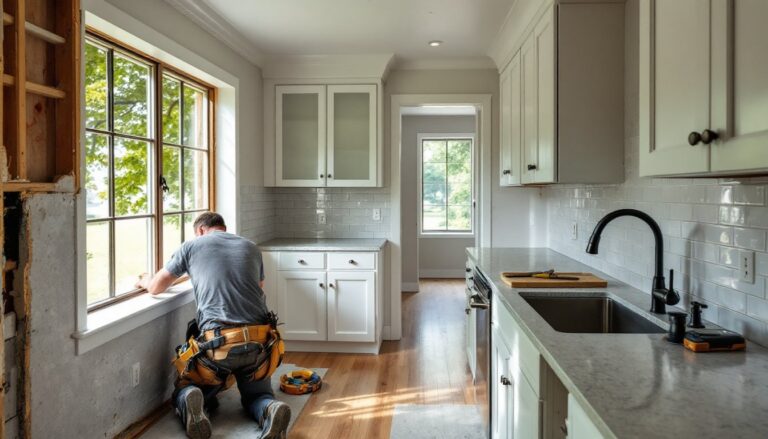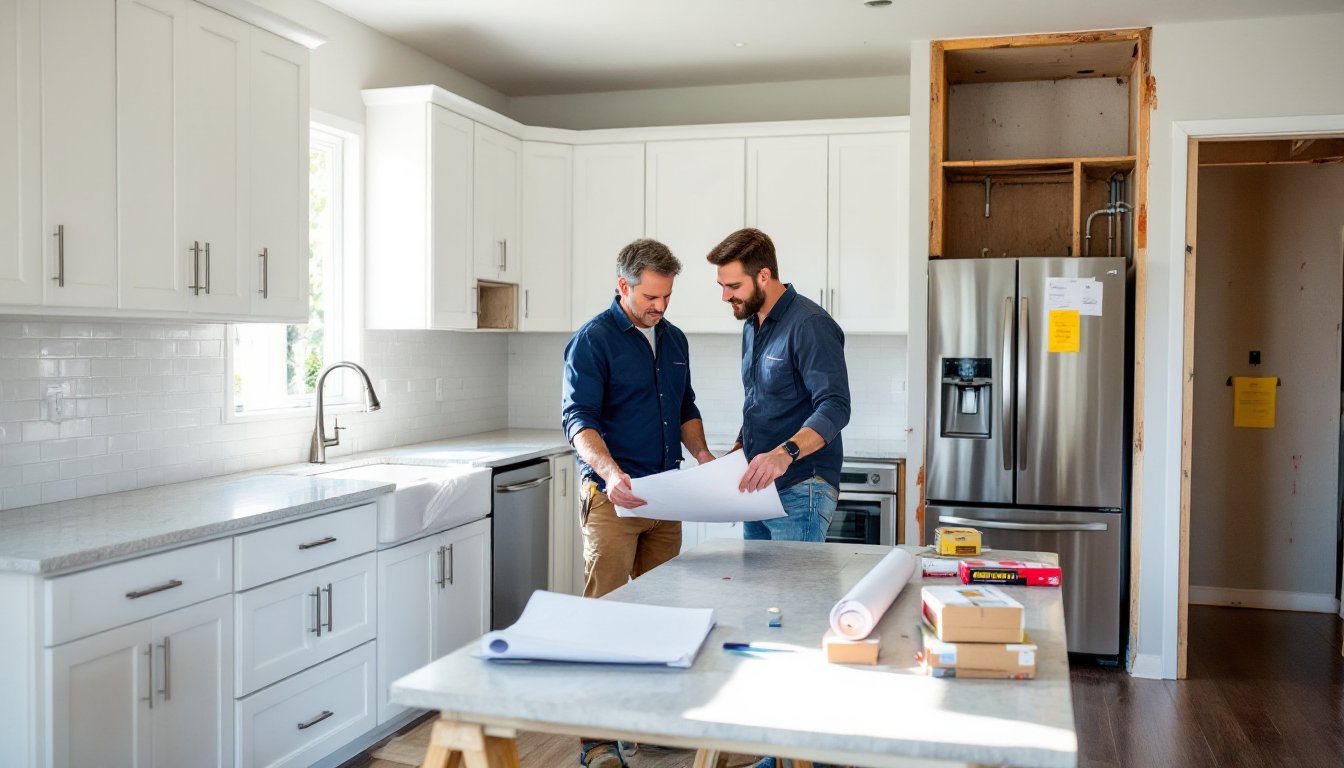
Elk Grove homeowners are discovering that strategic remodeling delivers more than aesthetic appeal, it’s a practical investment that enhances daily living while building equity. With the city’s housing stock aging and property values climbing, renovation projects are becoming essential rather than optional. Whether it’s expanding a cramped kitchen, modernizing an outdated bathroom, or reconfiguring living spaces for remote work, homeowners are taking advantage of California’s mild climate to tackle projects year-round. The key is understanding what works in Elk Grove’s specific market, what regulations apply, and when to DIY versus hiring pros.
Table of Contents
ToggleKey Takeaways
- Home remodeling in Elk Grove offers strong ROI, with kitchen and bathroom projects returning 60-80% of costs at resale while building equity in a market where property values have appreciated 40% over five years.
- Kitchen renovations dominate Elk Grove remodeling projects, ranging from $4,000-$10,000 for cosmetic updates to $30,000-$80,000 for full gut renovations that require permits and professional plumbers for gas and drain relocations.
- Bathroom upgrades deliver high returns by modernizing outdated fixtures, with primary bathroom transformations costing $20,000-$40,000 and requiring proper waterproofing membranes and code-compliant venting to meet California standards.
- Budget 15-20% contingency into every home remodeling project to cover hidden issues like outdated wiring, polybutylene piping, or dry rot commonly found in Elk Grove’s 20-30 year old homes.
- Always obtain permits for structural, plumbing, electrical, or mechanical work in Elk Grove, as unpermitted projects create title issues and give buyers walk-away rights—standard permits take 2-3 weeks through the Development Services Department.
- DIY cosmetic work like cabinet painting, tile backsplash, and interior painting is viable for skilled homeowners, but hire licensed professionals for gas lines, electrical panels, load-bearing wall removal, and HVAC installation to ensure code compliance and safety.
Why Elk Grove Homeowners Are Investing in Remodeling Projects
Elk Grove’s housing market presents a compelling case for remodeling over moving. The median home age in established neighborhoods like Laguna Ridge and East Franklin hovers around 20-30 years, meaning original finishes, appliances, and systems are reaching end-of-life. Rather than competing in a tight market with limited inventory, homeowners are choosing to customize their existing properties.
Energy efficiency drives many decisions. California’s Title 24 energy standards keep getting stricter, and older homes with single-pane windows, minimal insulation, and outdated HVAC systems cost significantly more to operate. Replacing windows alone can cut cooling costs by 15-25% during Elk Grove’s hot summers when temperatures regularly hit the mid-90s.
Remote work has permanently altered space requirements. Homes built in the 1990s and early 2000s lack dedicated office space, forcing homeowners to convert dining rooms, carve out portions of primary bedrooms, or finish garages. Projects incorporating proper contractor vetting ensure these conversions meet code and maintain resale value.
Property values in Elk Grove have appreciated roughly 40% over the past five years, giving homeowners equity to tap for renovations. A well-executed kitchen or bathroom remodel can return 60-80% of its cost at resale, making it a practical wealth-building strategy even if the homeowner plans to sell within a few years.
Most Popular Home Remodeling Projects in Elk Grove
Kitchen Renovations
Kitchen remodels dominate Elk Grove renovation spending, and for good reason, they’re the highest-traffic room and a major selling point. Most projects fall into two categories: cosmetic updates and full gut renovations.
Cosmetic updates typically include cabinet refacing or painting, new countertops, backsplash tile, and appliance replacement. This approach works when the existing layout is functional and cabinets are structurally sound. Cabinet refacing costs $4,000-$10,000 depending on kitchen size and can be a solid DIY project if you’re comfortable with precise measuring and veneer application. Countertop replacement runs $2,000-$5,000 for quartz (the most popular choice in Elk Grove due to heat resistance and low maintenance) or $1,500-$3,500 for laminate.
Full gut renovations involve relocating plumbing, electrical, and gas lines, all of which require permits in Elk Grove. Moving a sink more than 5 feet from its original drain location means running new 1.5-inch ABS or PVC drain lines with proper venting per California Plumbing Code. Gas range relocations require a licensed plumber since California doesn’t allow homeowner gas work. Budget $30,000-$80,000 for a complete kitchen overhaul in a 150-200 square foot space, including labor.
Open-concept conversions remain popular, but proceed carefully. Removing any wall requires determining if it’s load-bearing. In Elk Grove’s common tract home construction, walls running perpendicular to ceiling joists are often structural. Load-bearing wall removal requires an engineered beam (typically a laminated veneer lumber (LVL) beam or steel I-beam), temporary support walls during construction, and city inspection. This isn’t a DIY project, hire a structural engineer and licensed contractor.
Bathroom Upgrades
Bathroom remodels offer the highest return on investment for Elk Grove homes, particularly in primary bathrooms. Buyers expect updated bathrooms, and a 1990s builder-grade bath with cultured marble counters and almond fixtures is an immediate turnoff.
Primary bathroom renovations typically include expanding shower size (often by eliminating rarely-used tubs), installing dual vanities, upgrading to comfort-height toilets (17-19 inches tall versus standard 15 inches), and adding heated floors. Radiant floor heating works exceptionally well under tile and costs $8-$15 per square foot installed, a worthwhile comfort upgrade given that it only adds about $3-$5 monthly to heating costs when used during Elk Grove’s mild winters.
Shower renovations require careful waterproofing. California requires either a hot-mopped pan (traditional but requires a licensed specialist) or a modern PVC or CPE membrane shower pan. Tile work over cement board alone isn’t code-compliant, you need a separate waterproofing membrane like RedGard or Kerdi behind the tile. DIYers can tackle this, but expect a learning curve on proper membrane application and corner details.
Guest bathroom updates often focus on efficiency: low-flow toilets (1.28 gallons per flush or less, required by California code), water-efficient faucets, and improved ventilation. Elk Grove’s building code requires bathroom exhaust fans rated for the room’s cubic footage (typically 50-80 CFM for standard bathrooms) vented to the exterior, not into the attic. Budget $8,000-$15,000 for a basic guest bath refresh or $20,000-$40,000 for a primary bath transformation.
Planning Your Elk Grove Home Remodel: Budget and Timeline Essentials
Accurate budgeting starts with understanding true project costs beyond materials. Labor typically accounts for 40-60% of total renovation expenses in Elk Grove, where skilled trade rates run $75-$125 per hour for licensed contractors. Using cost estimation resources helps establish realistic expectations before committing to a project.
Build a 15-20% contingency fund into every budget. Hidden issues like outdated wiring, plumbing corrosion, or dry rot appear once walls open, especially in homes built before 2000. Discovering aluminum wiring (common in 1970s Elk Grove homes) adds $1,500-$3,000 for remediation, while finding polybutylene piping means budgeting $2,500-$5,000 to replace supply lines.
Timeline planning requires accounting for Elk Grove’s permitting process and material lead times. Standard permits take 2-3 weeks currently, though complex projects requiring plan review can stretch to 4-6 weeks. Custom cabinets have 8-12 week lead times, quartz countertops take 3-4 weeks from template to installation, and tile backordering can add weeks to schedules.
Phasing projects saves cash flow. Tackling kitchens and bathrooms separately, rather than simultaneously, keeps one functional during construction. It also spreads costs over multiple budget cycles and allows homeowners to apply lessons learned from the first project to the second.
Material selection dramatically affects budgets. Choosing luxury vinyl plank ($3-$7 per square foot installed) over hardwood ($8-$15 per square foot installed) in a 200-square-foot space saves $1,000-$1,600. Opting for prefabricated cabinets instead of custom cabinetry cuts kitchen costs by $10,000-$20,000 with minimal aesthetic compromise if you select quality manufacturers.
Navigating Elk Grove Building Permits and Regulations
Elk Grove requires permits for any work affecting structural elements, plumbing, electrical, mechanical systems, or square footage changes. Permits aren’t bureaucratic hassles, they ensure work meets safety codes and protect property values.
Always permit these projects: electrical panel upgrades or circuit additions, plumbing relocations or new fixtures, HVAC system replacements, structural alterations (beam installations, wall removals), room additions, garage conversions, and window/door replacements affecting headers.
Typically exempt from permits: cosmetic work like painting, flooring replacement (same material type), cabinet installation not affecting plumbing/electrical, fixture replacement in existing locations (like-for-like toilet swaps), and most landscaping work not involving structures.
Elk Grove’s Development Services Department processes permits at City Hall (8401 Laguna Palms Way). Plan submittal requires detailed drawings showing existing conditions and proposed changes, including framing plans for structural work, electrical layouts following National Electrical Code, and plumbing diagrams showing drain, waste, vent, and supply routing.
Inspection checkpoints are non-negotiable. Typical kitchen remodel inspections include rough framing (if walls move), rough electrical, rough plumbing, insulation/drywall, and final. Contractors schedule these, but DIYers must call for inspections at each phase before covering work. Skipping inspections and doing work without permits creates title issues at sale and gives buyers negotiating leverage or walk-away rights.
California’s Title 24 energy compliance applies to most projects. Window replacements require U-factor 0.30 or lower and SHGC (Solar Heat Gain Coefficient) of 0.23 or lower for Elk Grove’s Climate Zone 12. HVAC replacements must meet minimum 14 SEER ratings (though 16+ SEER is recommended for summer cooling efficiency). Verify compliance before purchasing materials.
Choosing Between DIY and Professional Contractors for Your Project
The DIY decision hinges on three factors: required skill level, code compliance requirements, and opportunity cost of your time. Homeowners with solid carpentry skills can handle many cosmetic projects, but licensed trades exist for good reasons.
Solid DIY candidates: cabinet painting or refacing, tile backsplash installation, vanity replacement (if plumbing connections remain unchanged), interior painting, trim carpentry, laminate or vinyl plank flooring, deck building (permits still required), and basic landscaping. These projects have manageable learning curves, widely available tutorials, and limited consequences for minor mistakes.
Hire professionals for: anything involving gas lines (required by law in California), electrical panel work (high injury/fire risk), load-bearing wall modifications (structural failure risk), complex tile work like large-format porcelain (expensive materials, difficult installation), HVAC installation (refrigerant handling requires EPA certification), and spray-applied finishes in occupied spaces.
Contractor selection matters enormously. Verify California contractor’s license numbers through CSLB.ca.gov, check for active status, bond coverage, and complaint history. Elk Grove projects require either a C-61 license (general contractor) or specific trade licenses (C-10 for electrical, C-36 for plumbing, C-20 for HVAC).
Get three detailed written bids specifying materials by brand and model, labor breakdown, timeline with milestones, payment schedule (never more than 10% deposit or $1,000, whichever is less, per California law), and warranty terms. Compare apples-to-apples, a low bid using builder-grade materials versus premium products isn’t a fair comparison.
Payment structures should tie to completion milestones verified by inspection: 10% deposit, 30% after rough-in inspection passes, 30% after drywall/finish work, 25% after final inspection, and 5% retained for 30 days post-completion. This protects homeowners from contractor abandonment while ensuring tradespeople get paid for completed work.
For complex projects blending DIY and professional work, sequence matters. Homeowners can demo and haul debris, then hire pros for technical work, and potentially handle finish painting themselves. This hybrid approach saves 20-30% versus full-service contracting while keeping critical work in expert hands. Just ensure your contractor agrees to this arrangement upfront, some won’t warranty work where homeowners contributed labor due to quality control concerns.