Rockville homeowners are sitting on substantial equity in a mature housing market, and many are choosing to reinvest that value into their existing properties rather than moving. With Montgomery County’s median home age pushing 40-50 years in many neighborhoods, strategic remodeling isn’t just about aesthetics, it’s about modernizing aging systems, improving energy efficiency, and adapting homes to evolving lifestyles. Whether you’re updating a 1970s split-level or refreshing a early-2000s colonial, understanding local regulations, realistic budgets, and design choices that align with Rockville’s character will set your project up for success.
Table of Contents
ToggleKey Takeaways
- Home remodeling in Rockville, MD is driven by modernizing aging systems, improving energy efficiency, and adapting homes to current lifestyles, with well-executed projects returning 60–80% of investment at resale.
- Kitchen renovations ($15,000–$100,000+) and bathroom upgrades ($5,000–$40,000) are the most popular Rockville remodeling projects, with electrical upgrades and waterproofing being critical investments.
- Montgomery County enforces strict permit requirements for structural changes, electrical, plumbing, and HVAC work; homeowners should budget $500–$2,000 in permit costs and allow 30–60 additional days if in the Historic District.
- Mid-range home remodeling costs in Rockville average $45,000–$65,000 for kitchens and $22,000–$35,000 for bathrooms, with material and labor costs running 10–15% higher than national averages.
- Successful Rockville remodels respect original architecture while introducing modern function, prioritizing durability and energy-efficient features like LED lighting, low-E windows, and Energy Star appliances over short-lived trends.
- Always hire licensed professionals for load-bearing wall removal, gas line work, and panel upgrades to ensure compliance with Montgomery County’s stricter code interpretations and avoid costly unpermitted work issues at resale.
Why Rockville Homeowners Are Investing in Remodeling Projects
Rockville’s housing stock reflects decades of suburban development, with neighborhoods like Twinbrook, King Farm, and Woodley Gardens featuring homes built between the 1950s and 1990s. Many of these properties have original kitchens, single-bathroom layouts, and outdated electrical systems that can’t support modern appliance loads.
Homeowners are remodeling for three primary reasons: functional upgrades (adding a second bathroom, expanding kitchens, finishing basements), energy efficiency improvements (replacing single-pane windows, upgrading HVAC systems, adding insulation), and equity preservation. In Montgomery County’s competitive market, a well-executed remodel can return 60-80% of investment at resale, depending on the project scope.
Rockville’s proximity to major employers in Bethesda, Gaithersburg, and D.C. also means many homeowners prefer to invest in their current property rather than face the transaction costs and limited inventory of moving. The city’s established tree canopy, walkable Town Center, and strong school system make staying put financially attractive.
Most Popular Home Remodeling Projects in Rockville
Two projects dominate remodeling activity in Rockville: kitchen renovations and bathroom upgrades. Both address the most visible pain points in older homes and offer the clearest quality-of-life improvements.
Kitchen Renovations
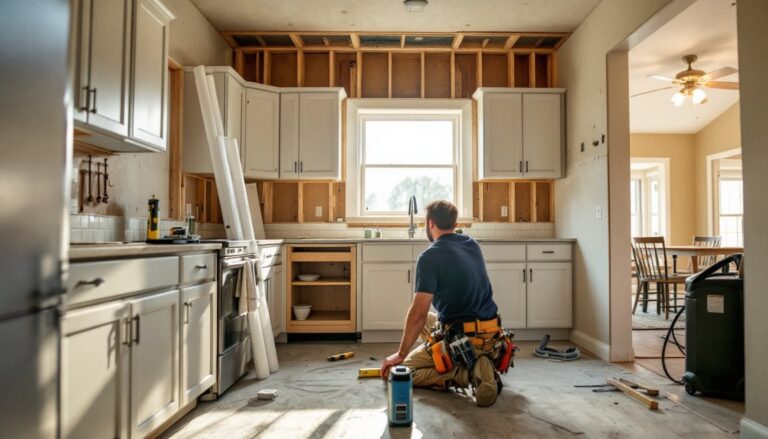
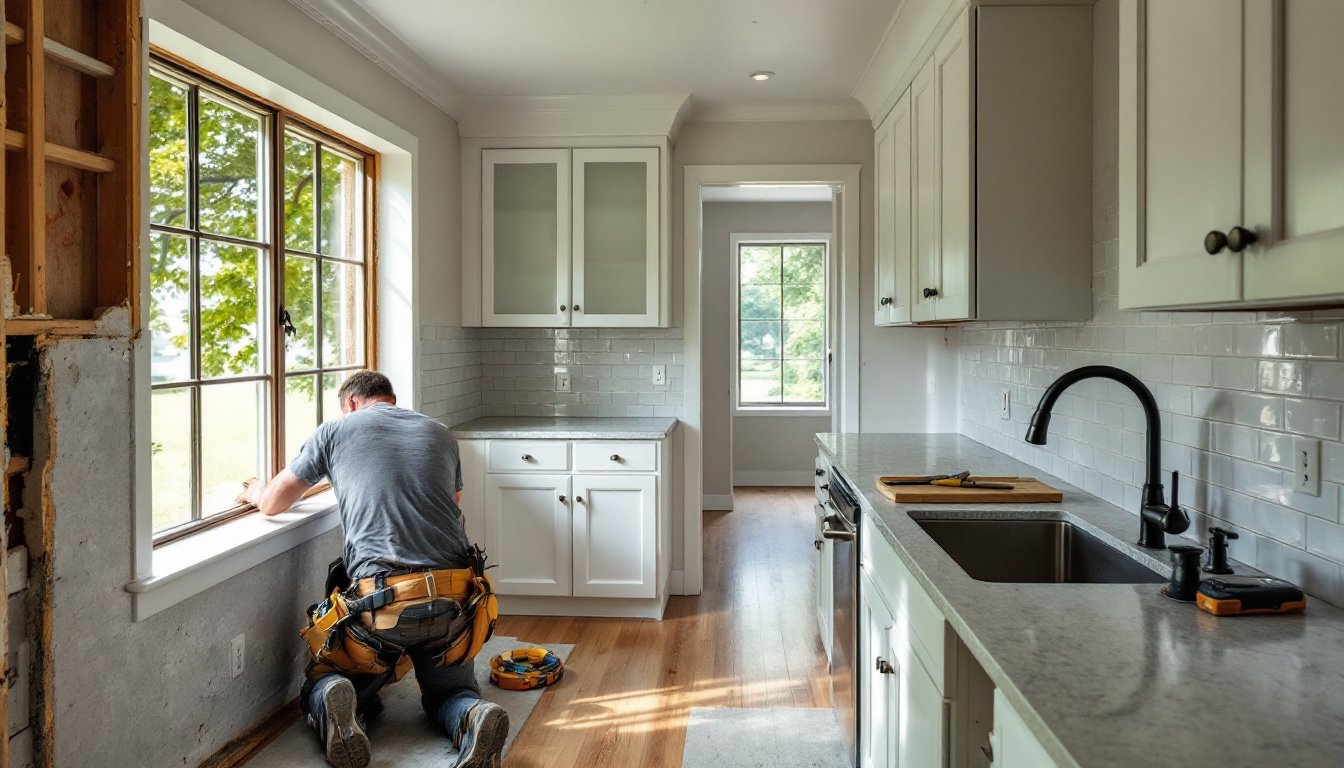
Kitchen remodels range from cosmetic refreshes ($15,000-$30,000) to full gut jobs ($60,000-$100,000+). Typical Rockville projects involve removing soffits and upper cabinets to create open shelving, replacing laminate countertops with quartz or granite, upgrading to stainless steel appliances, and installing luxury vinyl plank (LVP) or porcelain tile flooring.
Many homes still have galley-style kitchens with 8-10 feet of counter space. Expanding into adjacent dining rooms or knocking down non-load-bearing walls to create open-concept layouts is common, but requires careful evaluation. Always consult a structural engineer before removing any wall, many homes have hidden load-bearing headers or posts.
Electrical upgrades are nearly universal. Older homes may have 100-amp service and lack dedicated 20-amp circuits for microwaves, dishwashers, and refrigerators. Expect to budget $2,000-$5,000 for panel upgrades and new circuits to meet current National Electrical Code (NEC) requirements.
Cabinet choices significantly impact budget. Stock cabinets from big-box retailers run $100-$300 per linear foot installed, while semi-custom or custom cabinetry can hit $500-$1,200 per linear foot. For a typical 10×12 kitchen with 20 linear feet of cabinetry, that’s a $10,000-$24,000 swing.
Bathroom Upgrades
Bathroom projects fall into two categories: powder room refreshes ($5,000-$12,000) and full bath renovations ($18,000-$40,000). Common upgrades include replacing tub-shower combos with walk-in tile showers, installing dual-sink vanities, upgrading to low-flow toilets (required by Maryland code for new installations), and adding heated tile floors.
Waterproofing is non-negotiable. Use RedGard or Schluter membrane systems behind all tile in wet areas, and make sure your contractor follows TCNA (Tile Council of North America) installation standards. Shortcuts here lead to mold and rot within 3-5 years.
Ventilation matters in Rockville’s humid climate. Install a bathroom exhaust fan rated for at least 50 CFM (cubic feet per minute) for standard baths, 80-100 CFM for larger master suites. Vent ducting must terminate outside, never into an attic or soffit.
Understanding Rockville’s Permits and Regulations
Montgomery County enforces permits strictly. Any work involving structural changes, electrical, plumbing, HVAC, or modifications to load-bearing elements requires a permit. Cosmetic work (painting, flooring over existing subfloor, cabinet installation without plumbing changes) typically doesn’t.
Permit costs vary by project scope. A kitchen remodel with electrical and plumbing updates may run $500-$1,500 in permits. Bathroom renovations involving plumbing relocation: $400-$1,000. Basement finishing with egress windows and new circuits: $800-$2,000.
Inspections occur at multiple stages: rough-in (before closing walls), insulation, and final. Schedule inspections at least 48 hours in advance. Failed inspections delay projects and add costs, make sure your contractor knows Montgomery County’s code interpretations, which can be stricter than baseline International Residential Code (IRC).
Historic district homeowners face additional layers. If your property falls within Rockville’s Historic District Commission (HDC) jurisdiction, exterior changes (windows, doors, siding, roofing) require HDC approval before County permits. This adds 30-60 days to timelines.
DIYers can pull their own permits, but you’ll need to demonstrate code knowledge during inspections. Many homeowners find using platforms like HomeAdvisor helpful for identifying licensed contractors familiar with local permitting processes. If you’re uncertain about load-bearing walls, gas line work, or panel upgrades, hire a licensed professional. Unpermitted work will surface during home sales and can kill deals or force expensive corrections.
Budgeting for Your Rockville Remodeling Project
Material costs in the D.C. metro area run 10-15% higher than national averages, and labor costs are steeper, expect $75-$150/hour for skilled trades. General contractors typically charge 15-25% markup on top of material and labor costs.
Break your budget into phases:
Design and planning (5-10% of total budget): Architectural drawings for structural changes, designer consultations, permit fees.
Materials (40-50%): Cabinets, countertops, tile, flooring, fixtures, appliances. Material quality dramatically affects longevity, builder-grade faucets fail in 3-5 years: mid-grade fixtures last 10-15.
Labor (35-45%): Demolition, framing, electrical, plumbing, drywall, tiling, finish carpentry, painting.
Contingency (10-15%): Hidden damage is common in older homes. Budget for rotted subfloors, outdated wiring, plumbing leaks, and asbestos/lead abatement.
For realistic numbers, many homeowners reference resources like Angi to compare local project costs and contractor estimates. A mid-range kitchen remodel in Rockville averages $45,000-$65,000. Full bathroom renovations run $22,000-$35,000. Basement finishing (including egress window, full bath, and rec room): $40,000-$70,000.
Financing options include home equity lines of credit (HELOCs), cash-out refinances, and personal loans. HELOC rates as of early 2026 hover around 7-9%, while cash-out refis depend on current mortgage rates. Avoid putting major structural work on credit cards, interest compounds faster than equity builds.
Choosing the Right Design Style for Your Rockville Home
Rockville’s housing diversity means no single style dominates, but successful remodels respect the home’s original architecture while introducing modern function. A 1960s ranch benefits from mid-century modern touches (clean lines, natural wood, terrazzo). A 1990s colonial works well with transitional design (Shaker cabinets, neutral palettes, mixed metal finishes).
Color choices should account for Rockville’s natural light. Homes with mature tree cover receive filtered, cooler light, warm whites and soft grays prevent spaces from feeling cave-like. South-facing rooms with ample sun can handle cooler tones.
Flooring trends lean toward engineered hardwood (more stable than solid wood in Maryland’s humidity swings) and luxury vinyl plank. LVP offers waterproof performance at $3-$8 per square foot installed, while engineered hardwood runs $8-$15. Porcelain tile that mimics wood grain splits the difference in wet areas like kitchens and baths.
For expert perspectives on design trends and material choices, Bob Vila provides detailed guidance on matching renovation styles to home architecture. Avoid design choices that feel out of place, ultra-modern finishes in a traditional colonial or farmhouse elements in a contemporary split-level create visual discord that hurts resale.
Energy-efficient choices resonate in Rockville’s market. LED recessed lighting (8-10 watts vs. 65 watts for incandescent), low-E windows (U-factor below 0.30), and Energy Star appliances reduce utility costs and qualify for Maryland energy rebates. Montgomery County offers periodic incentives for heat pump installations and weatherization, check the county’s Department of Environmental Protection for current programs.
Open shelving, quartz countertops, subway tile backsplashes, and matte black fixtures remain popular in 2026, but prioritize durability and timelessness over trends. Your remodel should serve you for 10-15 years minimum.